
Yes, your VW’s Haldex system needs servicing, and if you cannot remember the last time it was done, book one now. Most Haldex units typically require servicing every 20,000 to 30,000 miles or approximately every 2 to 3 years, although the exact figure depends on which generation you have and how you drive. Before you do anything else, work through this quick checklist:
- Pull up your service history and check the last recorded Haldex fluid change, if any exists.
- Confirm your Haldex generation using your VIN or a visual check under the car (details below).
- Watch for symptoms: hesitant rear-end engagement, traction control cutting in more than usual, or a faint shudder pulling away from a junction.
- If the service is overdue or symptoms are present, either book a VAG specialist or gather the correct OEM fluid, filter or screen kit, and tools to do it yourself.
Skipping this isn’t like skipping an oil change on a diesel that’ll shrug it off for another 5,000 miles. A neglected Haldex pump can seize, and a seized pump on a Golf R or Tiguan means a four-figure repair bill instead of a straightforward fluid and filter job.
TL;DR:
- Servicing intervals for Haldex systems generally range from 20,000 to 30,000 miles or every 2 to 3 years, with shorter intervals recommended for heavy towing, track use, or frequent short trips.
- Generation identification relies on VIN checks, visual inspection of the rear differential housing, and model-year mapping to ensure correct parts and procedures.
- A proper service includes draining and refilling with OEM fluid, cleaning or replacing filters or screens, inspecting the pump, replacing O-rings, and performing a pump relearn using diagnostic tools.
- Warning signs of neglect include inconsistent rear engagement, increased traction control activity, or brief hesitation during clutch engagement, but symptoms can also stem from other issues like worn sensors.
- Using OEM parts correctly matched to your vehicle’s generation and following generation-specific procedures is essential for avoiding costly pump or control unit failures.
Table of Contents
- What does a VW Haldex service actually involve?
- How often should you service your Haldex system?
- How do you identify your Haldex generation?
- Step-by-step: servicing your Haldex system
- Warning signs of a neglected Haldex system
- What does it cost, and should you DIY or book a workshop?
- OEM parts that match the job correctly
- Why generation-specific guidance beats generic advice
- Get the right Haldex parts without the guesswork
- Sources
What does a VW Haldex service actually involve?
A Haldex system is a hydraulic clutch pack, sitting on the rear axle, that transfers drive to the rear wheels when the front axle loses traction. It relies on a small pump to build hydraulic pressure and clean fluid to actuate that clutch pack smoothly. Contaminated or degraded fluid means sluggish, inconsistent engagement, and that shows up as odd handling on wet roundabouts long before any warning light appears.
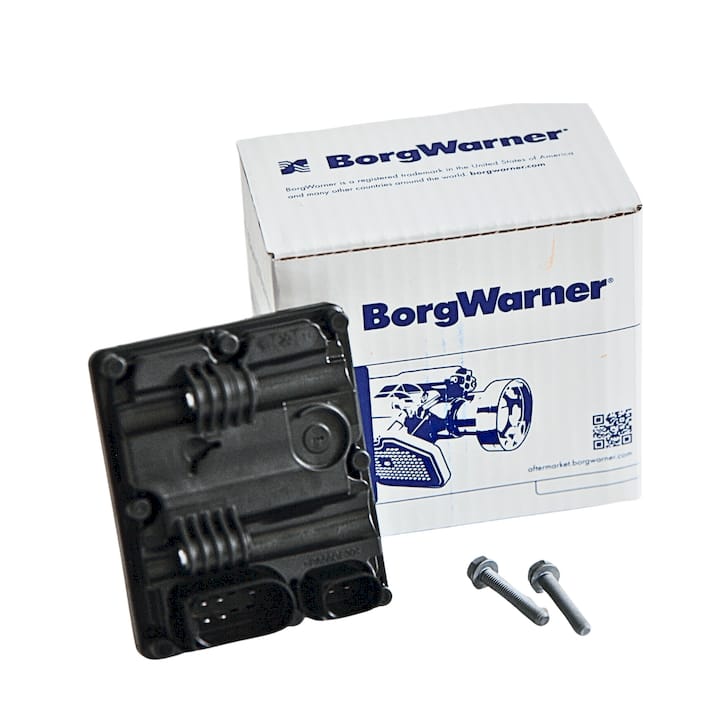
A proper service, according to specialist teardown guides, typically covers draining the clutch fluid, cleaning or replacing the filter, inspecting the pump pickup, changing O-rings, refilling with OEM-specified fluid, and running a pump relearn using VCDS or dealer diagnostic tools. Skip the relearn and the pump can run at the wrong pressure even with fresh fluid inside it.
Filtration is where generations genuinely differ. Gen1 through Gen4 units use a replaceable filter element you can swap out like an oil filter. Gen5 units, fitted to most current MQB-platform cars including the Mk7 and Mk8 Golf R, do away with a serviceable filter housing entirely and instead rely on a fine pump screen that has to be removed and cleaned by hand.
Pro Tip: Never assume any aftermarket “universal” ATF substitute is fine for a Haldex pump. Vendor guides specify OEM fluid part numbers G060175A2 or G055175A2 for recent Gen5 MQB applications, and the wrong viscosity fluid changes how quickly the clutch pack engages.
What actually clogs a screen or filter isn’t dirt from outside. It’s fine clutch-plate wear debris generated inside the unit itself, and it builds up gradually with every single gear-change of the rear clutch pack.
How often should you service your Haldex system?
Manufacturer literature can be generous with intervals, but real-world experience from specialist workshops tells a tighter story. The common workshop-recommended window sits between 20,000 and 30,000 miles, or roughly every 2 to 3 years, whichever comes first for your mileage.
That baseline shifts depending on how the car actually gets used:
- Towing or carrying heavy loads regularly asks more of the pump and clutch pack, so shorten the interval towards 20,000 miles.
- Track days or spirited driving on a Golf R Haldex service schedule warrant more frequent checks. Owner communities on forums like VWVortex report Gen5 pump screens clogging well before the standard interval on cars driven hard.
- Lots of short trips in cold weather mean the fluid rarely reaches full operating temperature, which accelerates degradation.
- Regular wet, muddy, or gritty driving conditions put more demand on the clutch pack as it engages more often and more aggressively.
Generation matters here too. If you’re running a Tiguan Haldex oil change on an older Gen2 or Gen3 unit, the filter element is a known, replaceable part, and a competent DIYer can swap it in an afternoon. Gen5 units demand extra care at the pump screen stage, since that screen isn’t something you can just order as a standalone part in most markets.
How do you identify your Haldex generation?
Getting the generation wrong means ordering the wrong kit or missing a step the unit actually needs, so confirm it before you buy anything.
- Check your VIN against a parts lookup tool or consult a specialist parts supplier’s generation guide. This is the most reliable method and avoids guesswork entirely.
- Look underneath the rear differential housing. Gen1 to Gen4 units have a visible, separate filter housing bolted to the pump assembly. Gen5 units, fitted broadly across MQB-platform cars from around 2015 onwards, have a more compact pump body with no external filter housing, because the filtration happens internally at the pump screen.
- Cross-reference your model and year. Mk7 Golf R Haldex service work typically corresponds to Gen5. Older Mk4 and Mk5-based 4Motion models correspond to Gen1 to Gen3. Tiguans and Skodas span multiple generations depending on production year, so generation mapping from a specialist guide is worth checking directly rather than assuming by model name.
- When in doubt, remove the pump for a visual inspection, or ask a parts supplier to confirm generation from your part numbers before you order a kit.
Some facelift models straddle two generations depending on exact build date, which is the one scenario where guessing genuinely isn’t worth the risk.
Step-by-step: servicing your Haldex system
This covers the consolidated process for a fluid, filter or screen service. Read through the whole sequence before starting, because Gen5 units diverge from earlier generations at the pump removal stage.
What you’ll need:
- A level surface and axle stands or a lift, since you need clear access underneath the rear subframe.
- Torx and hex sockets sized to your generation’s pump housing bolts.
- A torque wrench, ideally one that reads accurately down to low Newton-metre values.
- A fluid pump or fill tool, such as a Schwaben unit, which speeds refilling and cuts contamination risk compared with pouring from a bottle.
- A drain pan, new O-rings and seals, and the correct OEM fluid for your generation.
- VCDS (VAG-COM) or access to a dealer diagnostic tool for the relearn.
The process:
- Raise and support the car safely, then locate the Haldex unit at the rear differential. Lay down a clean drain pan before removing anything.
- Remove the fill and drain bolts to let the old fluid drain fully. Expect it to look darker and dirtier than a fresh transmission fluid, which is normal even on a well-maintained unit.
- Access the pump. On Gen4 and Gen5 units, servicing typically involves removing the pump assembly from the housing after disconnecting the electrical connector and removing the housing bolts.
- Clean or replace the filtration element. On Gen1 to Gen4 units, swap the filter element for a new one. On Gen5 units, gently unclamp the pump body and clean the fine gauze screen with solvent, taking care with the small retaining screws, which strip easily and aren’t always sold separately.
- Inspect and replace O-rings and seals on the pump and housing before reassembly. Reusing old, hardened O-rings is the most common cause of a slow weep leak after a DIY service.
- Refit the pump and torque the housing bolts to the figures specified for your model. Specialist tutorials note that torque values for pump bolts and drain/fill plugs vary by model, so check your specific torque spec rather than assuming a generic figure.
- Refill with the correct OEM fluid (G060175A2 or G055175A2, depending on application) using your fill tool. Fill until fluid overflows from the fill hole before fitting and torquing the fill bolt, which confirms the housing is genuinely full rather than trapping an air pocket.
- Run the pump relearn. A missed relearn can leave the pump running at incorrect pressure even with perfectly fresh fluid installed, so this step isn’t optional.
Pro Tip: Keep the workspace genuinely clean when the pump is open. A single stray fibre from a rag caught in that fine Gen5 screen undoes the entire point of cleaning it.
Stop and call in a specialist if you hit seized fasteners that won’t budge without risking a snapped bolt, if you find electrical faults at the pump connector, or if a pre-service scan already showed stored AWD fault codes pointing to pump or ECU failure. Those situations usually need diagnostic equipment and parts access beyond a home garage.
Warning signs of a neglected Haldex system
Haldex problems rarely announce themselves with a dashboard light straight away. The early signs are subtle, and most owners describe noticing them only in hindsight.
- Rear-axle engagement feels inconsistent, particularly pulling away from standstill on a wet or loose surface.
- Traction control intervenes more often than it used to, even in conditions that shouldn’t trouble a healthy AWD system.
- A faint shudder or hesitation appears briefly as the clutch pack engages.
Left unaddressed, contaminated fluid and a clogged pickup force the pump to work harder than it should, which shortens its life and eventually produces stored AWD or drivetrain fault codes. At that point you’re looking at pump replacement rather than a simple service, and the clutch pack itself can wear prematurely from running on poor fluid.
One caution worth flagging: not every symptom above is Haldex-related. Worn ABS or wheel-speed sensors can produce very similar traction control behaviour, so a proper diagnostic check before assuming Haldex failure saves you from replacing parts that were never faulty.
What does it cost, and should you DIY or book a workshop?
A proper Haldex service, done correctly with pump screen inspection and fresh OEM fluid, costs more upfront than a quick fluid-only top-up at a dealer, but specialist workshops consistently point out it’s cheaper than repairing a failed pump or worn clutch pack down the line. A simple drain-and-refill skips the part that actually fails most often: the pump screen or filter.
Your parts checklist for a DIY job:
- Correct OEM Haldex fluid (G060175A2 or G055175A2, matched to your generation).
- A generation-matched service kit. Haldexparts stocks options such as the pump, filter and oil kit for 2nd-generation Haldex units and the Gen4 filter kit with BorgWarner OEM oil.
- New drain and fill bolt seals, since reusing old crush washers invites a leak.
- Optionally, a Schwaben-style fluid pump and fill tool to speed up refilling.
If you’d rather book it, look for a workshop with genuine VAG platform experience, one willing to remove and clean the pump screen rather than just draining and refilling, and one with VCDS available to run the pump relearn afterwards. A workshop that skips the relearn step is cutting a corner that matters. For a broader look at how four-wheel-drive servicing generally works across platforms, this overview from Kwik Kar is a useful comparison point.
OEM parts that match the job correctly
Getting the fluid and filtration right solves most Haldex problems before they start, but a failed control unit is a different repair entirely, and it’s one where fitting the wrong part number causes real headaches.
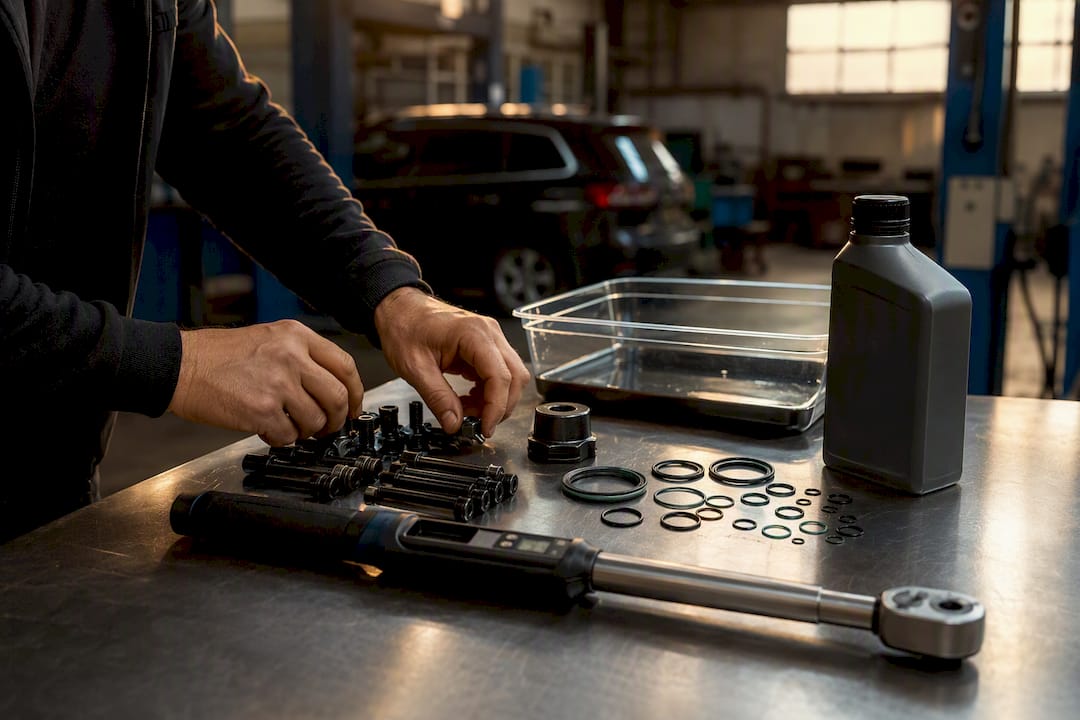
- The OEM Genuine 0AY907554J Haldex Control Unit covers Generation 5 applications across VAG platforms, including current Golf R and Tiguan models.
- The OEM Genuine 0CQ907554J Haldex Control Unit is an alternate Gen5 fitment, useful when your original part number matches this variant rather than the 0AY.
- The OEM BorgWarner 0AY907554L Haldex Control Unit is specific to the VW Transporter T5/T6 4Motion built between 2015 and 2018.
Unspecified aftermarket fluid or a mismatched control unit is where most DIY Haldex jobs go wrong. A Gen5 pump calibrated for one control unit part number won’t necessarily behave correctly with a mismatched replacement, and using a fluid that isn’t G060175A2 or G055175A2 spec risks incorrect clutch engagement pressure even with a perfectly clean screen. Buying OEM-grade parts matched precisely to your VIN and generation removes that guesswork entirely, whether you’re sourcing a filter kit for a routine service or a full control unit after a fault code.
| Point | Details |
|---|---|
| Confirm generation first | Check your VIN or inspect the housing before ordering any parts. |
| Follow the interval, not the calendar | Service intervals typically range between 20,000 to 30,000 miles, with shorter intervals advisable for towing, track use, or frequent short trips. |
| Never skip the relearn | Fresh fluid without a VCDS pump relearn can leave pressure miscalibrated. |
| Match fluid and control unit precisely | Use G060175A2 or G055175A2 fluid and the correct OEM control unit part number. |
| Buy generation-matched OEM kits | Haldexparts supplies Gen2, Gen4, and Gen5 kits and control units matched to your exact VIN. |
Why generation-specific guidance beats generic advice
Most Haldex advice online treats every generation the same, and that’s the biggest failure in how this topic gets covered. A Gen2 filter swap and a Gen5 pump screen clean share almost nothing in terms of difficulty or risk, yet plenty of guides lump them into one “drain and refill” instruction that leaves Gen5 owners with a half-finished job.
The conventional wisdom that a Haldex service is basically an oil change undersells it badly. The fluid matters, but the filtration step is where failures actually originate, and that’s precisely the step most owners skip because it’s fiddly and generation-dependent.
If there’s one thing to prioritise, it’s identifying your generation correctly before you buy a single part. Everything else, the fluid spec, the tools, the torque figures, follows from that one decision. Get it wrong and you’ll either fit a kit that doesn’t match or miss the pump screen entirely, which defeats the purpose of doing the job yourself in the first place.
— Mindaugas
Get the right Haldex parts without the guesswork
Haldexparts exists because sourcing the correct Haldex fluid, filter, or control unit shouldn’t mean cross-referencing three forums and hoping the part number matches your VIN.
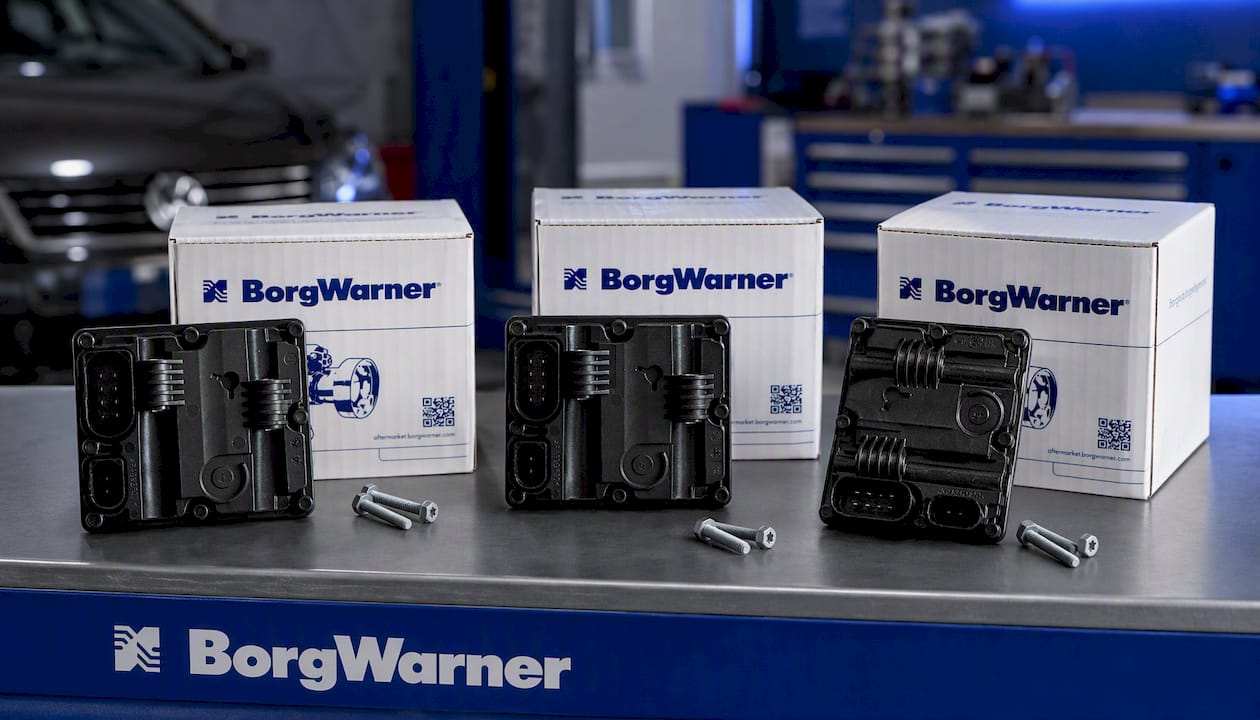
Every kit on the site is organised by brand and by generation, so a Golf R Haldex oil change or a Tiguan Haldex service pulls up exactly the fluid, filter, and O-ring combination your unit needs, rather than a generic listing you have to double-check yourself. That matters most with control units, where the difference between the 0AY907554J and 0CQ907554J fitments genuinely changes whether the part bolts in and calibrates correctly.
Orders over £150 ship free, which typically covers a full service kit plus fluid in one go. If you’ve confirmed your generation and you’re ready to source parts, browse the Gen4 filter kit or check fitment for your specific VIN before you order.
Sources
- How To Identify and Service Your VW or Audi Haldex AWD System — ECS Tuning
- Guide to Servicing VW and Audi Haldex AWD Systems — UroTuning
- Haldex service for VW 4Motion: what you need — Mechalex
- MQB Haldex oil change and filter clean — AutoInstruct