
Haldex parts demand by vehicle brand is driven primarily by installed base size and system generation compatibility, not by any publicly available order volume data. No authoritative dataset quantifies replacement demand split by brand, which means procurement decisions must be built on indirect evidence: how many vehicles of a given brand carry a Haldex system, which generation they use, and what service intervals those vehicles follow. Brands including Audi, Volkswagen, Volvo, Land Rover, and Ford each represent distinct demand pools shaped by fleet size, model popularity, and generation prevalence.
1. Which vehicle brands use Haldex systems?
Haldex systems are applied across a wide range of manufacturers, making the installed base genuinely broad. Understanding which brands use these electronically controlled AWD couplings is the starting point for any demand analysis.
The main vehicle brands and representative models equipped with Haldex AWD systems include:
- Volkswagen Group (Audi, VW, Škoda, SEAT): Audi A3 Quattro, TT Quattro, Q3; VW Golf R, Tiguan 4Motion; Škoda Octavia vRS 4x4; SEAT Leon Cupra 4Drive
- Volvo: V40 Cross Country, V60 AWD, XC60 (pre-2018 generation), XC70
- Ford: Kuga (first and second generation), Escape AWD variants
- Land Rover: Freelander 2, Discovery Sport (pre-2020 models)
- Saab: 9-3X AWD, 9-5 SportCombi AWD
- Renault/Nissan: Selected Laguna and Koleos AWD variants
The Volkswagen Group commands the largest share of Haldex-equipped vehicles in Europe by sheer volume. Audi and VW alone account for millions of AWD models sold across multiple generations, which translates directly into the highest aggregate demand for Haldex service parts. Volvo and Land Rover represent smaller but highly loyal owner bases where workshop servicing rates tend to be higher per vehicle.
2. How Haldex generations shape parts compatibility
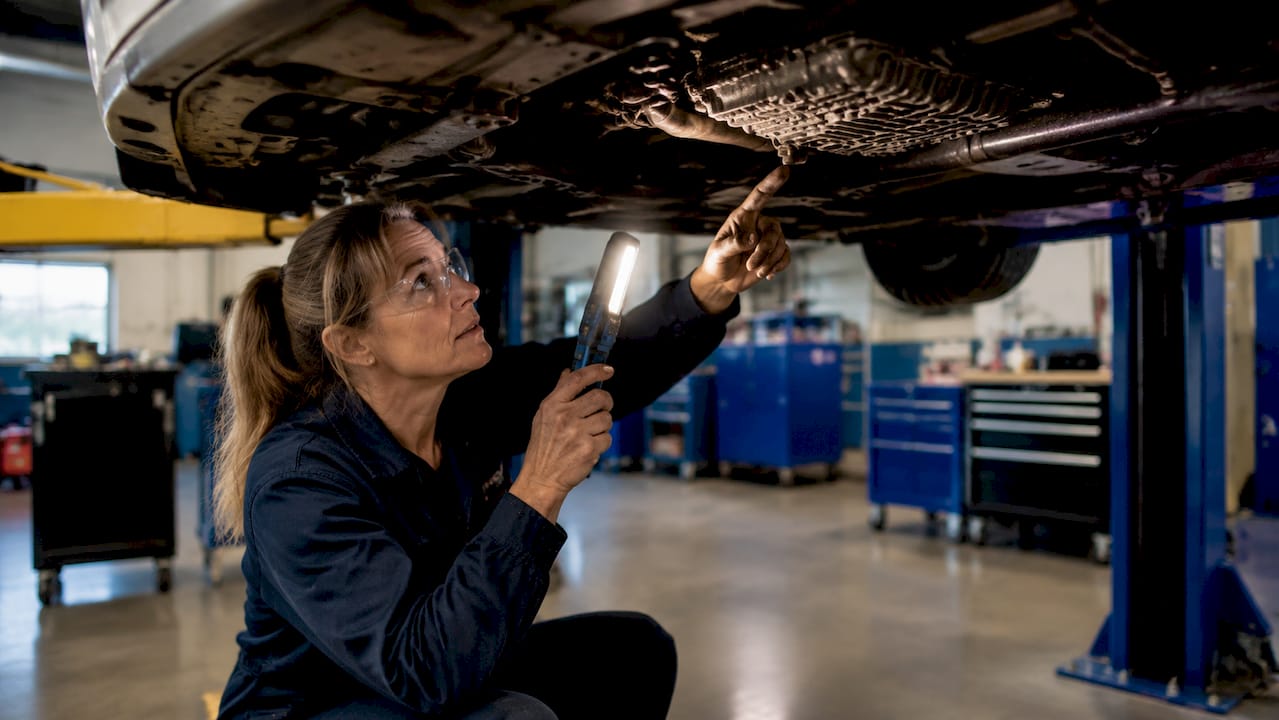
Generation identification is the single most critical factor in sourcing correct Haldex parts. Buying the wrong generation kit is the most common procurement failure in the aftermarket, and it happens when technicians search by brand alone rather than by generation.
Haldex has produced five distinct system generations, each with different hardware, software, and fluid specifications:
- Generation 1 (Gen 1): Hydraulically actuated, used in early Audi TT and Golf 4Motion from 1998 onwards. Requires dedicated fluid and a mechanical pump assembly.
- Generation 2 (Gen 2): Introduced around 2002, with a revised pump and improved clutch pack. Found in Volvo XC70, early Freelander 2, and Audi A3 8P.
- Generation 3 (Gen 3): Adopted by Ford Kuga first generation and Volvo XC60 early models. Features an electric pre-charge pump and revised filter housing.
- Generation 4 (Gen 4): Common in Land Rover Discovery Sport (pre-2020), Ford Kuga second generation, and Volvo V60. Revised electronic controller and updated sealing.
- Generation 5 (Gen 5): Integrated with Volkswagen’s MQB platform, found in Golf R Mk7/Mk8, Audi TT 8S, and Škoda Octavia RS 4x4. Primarily software-driven torque management with significant CAN protocol differences that complicate parts interchangeability despite hardware similarities.
| Generation | Key brands/models | Primary service parts |
|---|---|---|
| Gen 1 | Audi TT 8N, VW Golf 4Motion Mk4 | Fluid, filter, mechanical pump |
| Gen 2 | Audi A3 8P, Volvo XC70, early Freelander 2 | Fluid, filter, pump seal kit |
| Gen 3 | Ford Kuga Mk1, Volvo XC60 early | Electric pump, filter, fluid |
| Gen 4 | Land Rover Discovery Sport, Ford Kuga Mk2 | Controller, pump, seal kit |
| Gen 5 | VW Golf R Mk7/Mk8, Audi TT 8S, Škoda Octavia RS | Software-matched controller, fluid, filter |
Generation-specific part numbers for controllers, pumps, and filters differ significantly across brands and model years. Treating generation as the primary search parameter, rather than brand, prevents costly cross-fitting errors.
Pro Tip: Decode the vehicle’s VIN and cross-reference the model year against the generation mapping table above before ordering any service kit. A 2015 Audi TT uses Gen 5, while a 2008 Audi TT uses Gen 2. The brand is the same; the parts are not.
3. Which Haldex parts see the highest demand?
Workshop demand for Haldex components follows a clear hierarchy. Fluid and filter kits are consumed far more consistently than major assemblies, because they align with scheduled maintenance intervals rather than diagnostic-driven failures. This pattern holds across all brands.
The most frequently replaced Haldex parts, in descending order of demand frequency, are:
- Haldex fluid (AWD differential oil): Recommended replacement every 30,000 to 60,000 miles depending on brand and generation. This is the single highest-volume consumable across all brands.
- Oil filters: Replaced at every fluid service. Filter design varies by generation, so Haldex oil filters must be matched to the correct generation, not just the brand.
- Electric pre-charge pump: A diagnostic-driven replacement most common in Gen 3 and Gen 4 systems. Volvo XC60 and Ford Kuga owners report pump failures more frequently than VW Group owners, likely due to higher average mileage at point of failure.
- Seals and O-rings: Replaced as part of pump overhaul kits. Land Rover Freelander 2 and Discovery Sport models show higher seal demand due to off-road use profiles accelerating wear.
- Electronic controllers: Low-volume but high-value replacements. Gen 5 controllers require software coding after fitment, adding a labour dimension that affects workshop demand patterns.
Brand-specific usage profiles matter here. Land Rover vehicles used for genuine off-road work place greater stress on the Haldex coupling, increasing seal and pump wear rates. Volvo owners tend to service at longer intervals, which can lead to fluid degradation and pump damage. VW Group vehicles, particularly Golf R and Audi S3 models, are frequently driven hard by enthusiast owners, increasing clutch pack wear over time.
Pro Tip: Stock fluid and filter kits at a ratio of roughly 5:1 against pump units for any brand. The consumables will always move faster, and running out of filters while holding surplus pumps is a common and avoidable stocking error.
4. How to forecast Haldex parts inventory by brand and generation
Accurate inventory planning for Haldex parts requires combining installed base estimates with generation-level compatibility data. Demand estimation must integrate model year and generation to be accurate. Here is a practical approach:
- Map your local installed base. Use DVLA registration data (UK), national vehicle databases, or workshop management system history to estimate how many Haldex-equipped vehicles of each brand operate in your service area. Prioritise the brands with the highest local registration volumes.
- Segment by generation, not just brand. A workshop serving 200 VW Group Haldex vehicles may be split across Gen 2, Gen 4, and Gen 5 systems. Each generation requires different parts. Stocking only by brand without generation segmentation leads to mismatches.
- Separate consumables from major components. Fluid, filters, and seal kits should be stocked at higher quantities and replenished on short cycles. Pumps and controllers carry higher unit cost and lower turnover; hold smaller quantities and replenish on a longer cycle.
- Use VIN decoding tools. Resources such as the ETKA parts catalogue and generation identification guides from specialist suppliers allow precise mapping from VIN to Haldex generation. This eliminates guesswork at the point of order.
- Monitor model year trends annually. The MQB platform standardisation across VW Group means Gen 5 parts commonality is growing as older Gen 2 and Gen 3 vehicles age out of the active service population. Adjust stock weighting accordingly each year.
Ignoring generation differences when planning stock is the most expensive mistake in Haldex parts procurement. A supplier holding large quantities of Gen 3 pump units while the local fleet has shifted predominantly to Gen 5 will face dead stock and missed sales simultaneously.
5. Comparing Haldex parts demand across Audi, Volkswagen, Volvo, and Land Rover
These four brands represent the core of European Haldex parts demand. Their relative demand profiles differ in ways that directly affect how a workshop or parts supplier should weight their stock.
| Brand | Dominant generation | Primary demand drivers | Demand volume indicator |
|---|---|---|---|
| Audi | Gen 2, Gen 5 | High enthusiast usage, frequent fluid/filter cycles | High: large installed base |
| Volkswagen | Gen 4, Gen 5 | MQB platform commonality, Golf R/Tiguan popularity | High: broadest model range |
| Volvo | Gen 2, Gen 3, Gen 4 | Longer service intervals, pump failure rates | Medium: loyal but smaller base |
| Land Rover | Gen 3, Gen 4 | Off-road wear, seal and pump demand | Medium: high spend per vehicle |
Key observations for each brand:
- Audi and Volkswagen together represent the largest Haldex-equipped vehicle population in the UK and Europe. The MQB platform means Gen 5 parts serve multiple models across both brands, simplifying stocking decisions for suppliers focused on VAG vehicles.
- Volvo owners tend to present vehicles for Haldex service at higher mileages, meaning pump and controller replacements are proportionally more common relative to fluid-only services compared with VW Group vehicles.
- Land Rover Freelander 2 and Discovery Sport models generate strong demand for Land Rover seal kits and pump assemblies. The off-road use case accelerates wear on seals and the coupling itself, making these vehicles disproportionately valuable per unit for parts suppliers.
The broader aftermarket context supports growing demand across all these brands. The US aftermarket automotive parts market is projected to grow from USD 229.31 billion in 2025 to USD 238.75 billion in 2026. This growth reflects a global trend of vehicle owners maintaining older vehicles longer, which directly benefits Haldex parts demand as the installed base ages into its primary service window.
Key takeaways
Haldex parts demand by vehicle brand is best understood through generation-level installed base analysis, with consumables driving volume and brand-specific usage patterns shaping the mix.
| Point | Details |
|---|---|
| Generation over brand | Always identify Haldex generation before ordering; brand alone does not determine compatibility. |
| Consumables dominate volume | Fluid and filter kits account for the majority of Haldex parts demand across all brands. |
| VW Group leads installed base | Audi and Volkswagen together represent the largest pool of Haldex-equipped vehicles in Europe. |
| Land Rover drives high spend | Off-road usage profiles mean Land Rover vehicles generate above-average demand for pumps and seals. |
| Forecast by generation segment | Splitting inventory by generation and consumable type prevents costly overstock and stock-outs. |
Why generation knowledge beats brand loyalty in Haldex procurement
I have seen workshops confidently order Haldex service kits by brand name and end up with parts that physically fit but are specced for the wrong generation. The fluid viscosity is different, the filter bypass pressure is different, and the pump seal material may not be compatible. The vehicle leaves the workshop with a freshly serviced Haldex unit that fails within 10,000 miles. Nobody wins.
The uncomfortable truth is that brand-level thinking is a shortcut that costs more than it saves. A technician who knows that a 2017 Audi Q3 uses Gen 4 and a 2019 Audi Q3 uses Gen 5 will never make that mistake. That knowledge comes from investing time in generation mapping, not from memorising brand catalogues.
From a procurement perspective, I have found that the most efficient workshops treat Haldex stock like a matrix: generation on one axis, component type on the other. They hold deep stock on Gen 5 fluid and filters because the Golf R and Audi TT 8S population is large and growing. They hold lighter stock on Gen 2 pumps because those vehicles are ageing out. They review that matrix every six months against their own job records.
The brands matter for understanding the size of the opportunity. But generation is what determines whether the part you ordered actually solves the problem. Monitoring model year registration trends through resources like the DVLA database or specialist aftermarket data services is worth the effort. The Haldex parts market rewards precision, and precision starts with generation identification.
— Mindaugas
Source reliable Haldex service kits for every brand
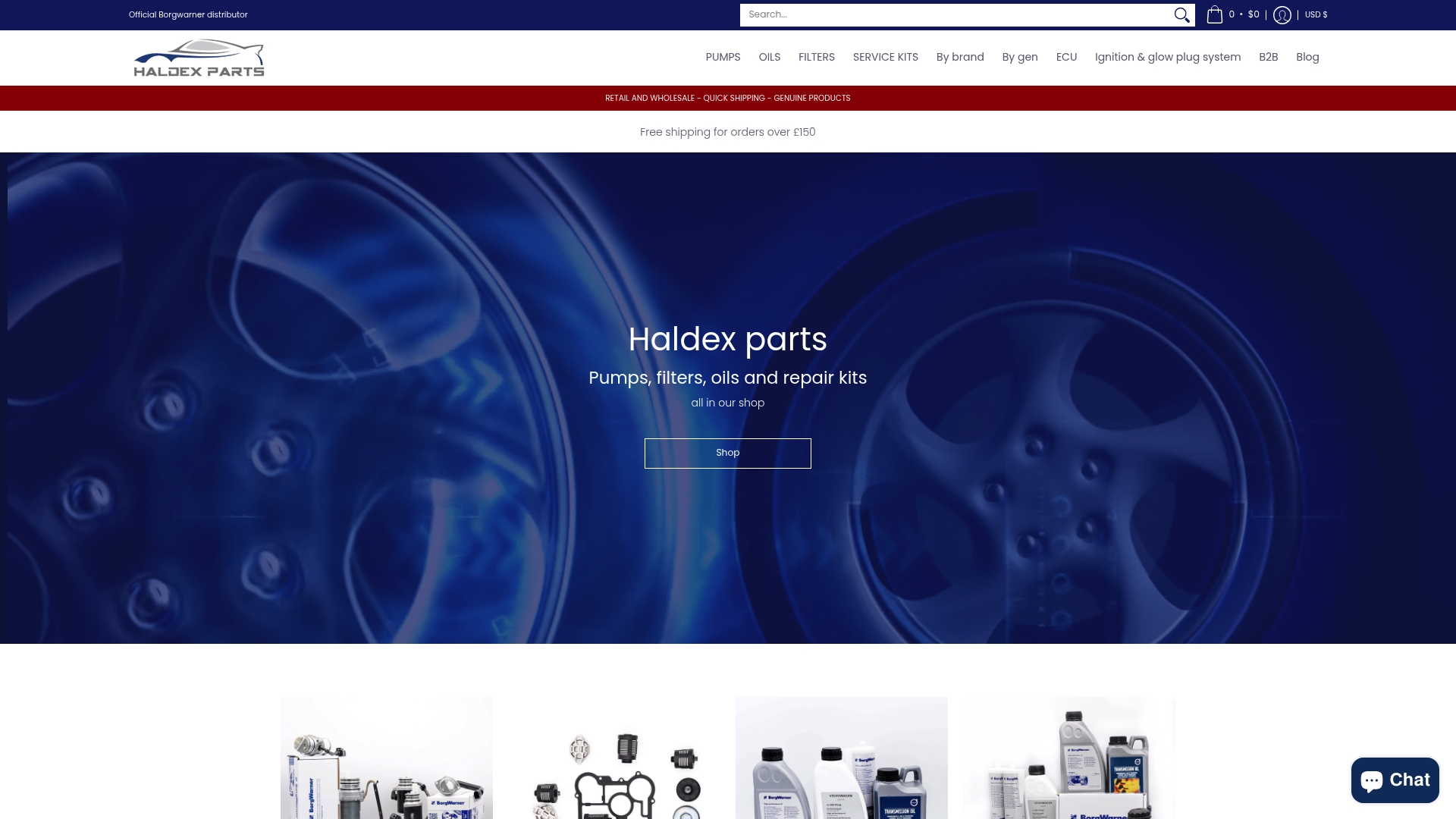
Haldexparts stocks generation-specific service kits, pumps, oils, and filters for Audi, Volkswagen, Volvo, Land Rover, Ford, and more. Every product listing includes generation and model year fitment data, so you order with confidence rather than guesswork. The full range of service kits covers Gen 1 through Gen 5, with OEM-grade components at competitive prices. Orders over £150 qualify for free UK shipping, making it practical to stock up on consumables in a single order. For workshops and procurement professionals who need reliable parts matched precisely to vehicle brand and Haldex generation, Haldexparts is the specialist source built for exactly that purpose. Browse the complete Haldex parts catalogue to find the right kit for your vehicle.
FAQ
Which brands use Haldex AWD systems?
The main brands using Haldex systems are Volkswagen Group (Audi, VW, Škoda, SEAT), Volvo, Ford, Land Rover, and Saab. Volkswagen Group vehicles represent the largest installed base in Europe.
Does Haldex generation matter more than vehicle brand for parts?
Yes. Generation identification determines parts compatibility more precisely than brand alone, because the same brand may use different generations across model years.
What are the most commonly replaced Haldex parts?
Haldex fluid and oil filters are the highest-volume replacements across all brands, followed by electric pre-charge pumps and seal kits. Consumables align with scheduled services and therefore turn over far more frequently than major assemblies.
How do I identify which Haldex generation my vehicle has?
Cross-reference the vehicle’s VIN with the model year and platform data using ETKA or a specialist generation guide. A 2015 VW Golf R uses Gen 5, while a 2007 Golf 4Motion uses Gen 2, despite both being VW products.
Why does Land Rover generate higher Haldex parts spend per vehicle?
Land Rover Freelander 2 and Discovery Sport models are frequently used in off-road conditions, which accelerates wear on seals, pumps, and the coupling assembly. This results in above-average replacement frequency and higher parts spend per vehicle compared with road-only brands.