

A refreshed Haldex pump is defined as a serviced or replaced hydraulic pump unit within the Haldex all-wheel-drive coupling, restored to deliver correct pressure for rear-axle engagement. The Haldex system, fitted to vehicles including Audi, VW, Skoda, Seat, Volvo, and Ford, relies entirely on this pump to transfer torque to the rear wheels when traction is lost. When the pump degrades, AWD function becomes inconsistent, handling suffers, and the cost of repair climbs sharply. Understanding the benefits of a refreshed Haldex pump is the first step toward protecting both your drivetrain and your budget.
1. What are the top performance benefits of a refreshed Haldex pump?
A refreshed Haldex pump restores the hydraulic pressure that drives rear-axle engagement, which is the single most important factor in AWD responsiveness. Without adequate pressure, the clutch pack cannot engage quickly enough during acceleration or cornering, leaving the car effectively front-wheel-drive at the moments you need grip most.
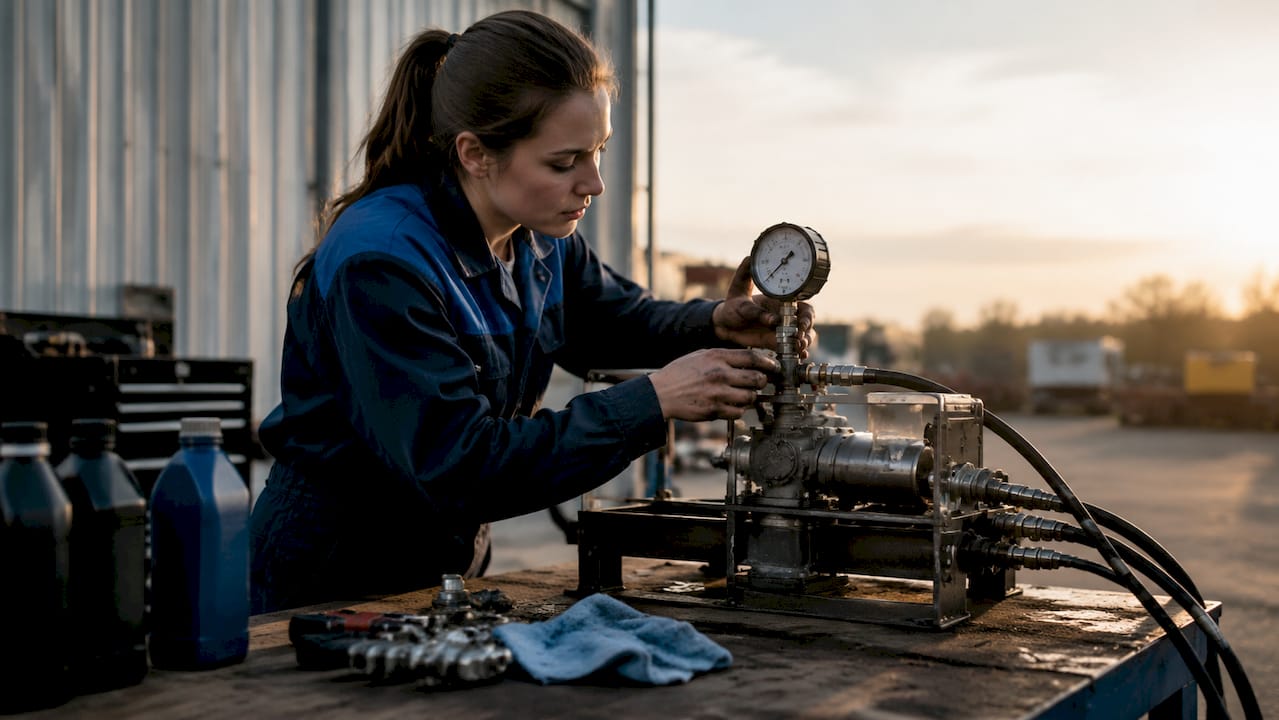
The refreshed Haldex pump performance gains are most noticeable in low-traction conditions. On wet roads, gravel, or during hard acceleration from a standstill, a healthy pump engages the rear axle within milliseconds. A worn pump introduces lag, which translates directly into understeer and reduced confidence.
Key performance benefits include:
- Faster rear-axle engagement under acceleration and cornering loads
- Consistent torque split between front and rear axles, reducing understeer
- Improved stability on wet, icy, or loose surfaces
- Reduced drivetrain lag during throttle application
- Restored traction control integration, allowing the ABS and ESP systems to work as designed
Pro Tip: After a pump refresh, drive on a loose or wet surface at low speed and feel for the rear axle pulling the car straight. That sensation confirms the system is engaging correctly.
Much of the Haldex system’s performance depends on clean oil and a clear pump pick-up screen. Contamination reduces pressure and engagement quality, so a refresh addresses the root cause rather than masking symptoms.
2. How does refreshing the Haldex pump improve reliability and prevent failure?
Pump reliability is the most compelling argument for regular servicing. Fluid contamination and debris build-up inside the Haldex unit degrade the pump motor and block the pick-up strainer, starving the system of pressure over time.
Early warnings of Haldex failure include inconsistent power delivery and a loss of the sure-footed feel that AWD provides. Catching these signs early costs far less than waiting for complete pump failure. A full replacement pump is significantly more expensive than a service kit, and the labour time is greater too.
The reliability benefits of a proper refresh follow a clear sequence:
- Fluid replacement removes contaminated oil that accelerates wear on pump internals
- Strainer cleaning clears the pick-up screen that debris blocks over time
- Pump motor inspection identifies early wear before it becomes catastrophic
- Diagnostic scanning confirms pressure output and flags error codes
Owners often confuse routine fluid replacement with full servicing, which includes strainer cleaning and diagnostics. That confusion leads to premature pump failure even in vehicles that appear to have been maintained.
A well-maintained Haldex system can last between 100,000 and 150,000 miles. Neglected systems fail sooner due to clogged filters and burnt-out pump motors. That gap in lifespan represents a significant cost difference for any owner.
3. What are the advantages of upgrading to a higher-quality Haldex pump?
The advantages of a Haldex pump upgrade go beyond simply replacing a worn unit with an identical one. Aftermarket and OEM-grade performance pumps offer improved flow rates, stronger motor windings, and better tolerance for heat generated during spirited driving.
OEM pumps from suppliers like BorgWarner meet the original specification but offer no improvement over the factory design. Aftermarket performance pumps, by contrast, are built to handle higher clutch pack pressures and more frequent engagement cycles. For drivers using their vehicles on track days or in demanding conditions, this difference is meaningful.
Benefits of upgrading to a quality pump include:
- Higher flow rates that improve clutch pack clamping force under load
- Stronger motor windings that resist heat-related degradation
- Better debris tolerance in the pump inlet design
- Longer service intervals compared to standard OEM units in some cases
Pro Tip: After fitting an aftermarket pump to a 5th-generation Haldex system, always run the pump adaptation procedure via a diagnostic tool. Skipping this step causes persistent error codes and incorrect AWD calibration.
The adaptation step is not optional. A new Haldex pump installation requires a specialised adaptation procedure via diagnostics. Without it, the AWD controller cannot calibrate sensor values correctly, and the system will not function as intended.
4. Maintenance approaches compared: fluid refresh versus full pump refurbishment
Not every Haldex service is equal. Understanding the difference between a basic fluid swap and a full pump refurbishment helps you choose the right level of intervention for your vehicle’s condition.
| Service level | What it includes | Typical benefit | When to use it |
|---|---|---|---|
| Fluid and filter change | New oil, filter replacement | Removes contaminated fluid | Every 30,000–40,000 miles |
| Full service with strainer clean | Above, plus pick-up strainer cleaning | Restores pump pressure and flow | Every service on 5th-gen units |
| Pump refurbishment | Above, plus motor inspection and brush cleaning | Extends pump life significantly | When resistance readings are borderline |
| Full pump replacement | New pump, adaptation procedure | Complete restoration of function | When motor winding resistance drops below 2 ohms |
Routine preventative maintenance on Haldex pumps is recommended every 3 years or 30,000–40,000 miles to avoid debris build-up and pump failure. This interval applies to standard driving conditions. Modified or track-driven vehicles need more frequent attention.
Cleaning the pump’s pick-up strainer during service is not optional. Replacing fluid alone provides only temporary relief from contamination effects. The strainer collects metallic debris from clutch pack wear, and if left blocked, it restricts oil flow to the pump regardless of how clean the fluid is.
Pro Tip: On 5th-generation Haldex units fitted to VW, Audi, Skoda, and Seat vehicles, there is no replaceable filter cartridge. The pick-up strainer must be physically removed and cleaned. If your garage does not mention this step, ask specifically whether it was done.
5. How does pump motor condition affect the decision to refresh or replace?
Pump motor health is measurable, and that measurement should drive your service decision. Pump motor winding resistance measured below 2 ohms indicates impending pump failure. A healthy motor reads between 5 and 8 ohms. This single test, performed with a multimeter, tells you whether a refresh will suffice or whether replacement is the only viable option.
Technicians who skip this measurement are guessing. A pump that reads 3 ohms may respond well to brush cleaning and a fluid refresh. A pump reading 1.5 ohms will fail again within months regardless of how thorough the service is. Measuring first saves money and prevents repeat failures.
Proper diagnostic scanning and fluid analysis can detect early wear and reduce costly failures. This highlights the value of using a specialist rather than a general garage for Haldex work. General workshops rarely carry the diagnostic software needed to read Haldex-specific fault codes or perform the pump adaptation after replacement.
6. How do track use and aftermarket modifications affect service needs?
Intensive driving and aftermarket modifications change the maintenance equation significantly. A standard Haldex service interval assumes normal road use. Track days, spirited driving, and performance modifications all accelerate wear on the pump and clutch pack.
Aftermarket performance upgrades improve traction but increase drivetrain stress and typically require more frequent servicing to maintain reliability. Upgraded clutch packs generate more heat and more metallic debris, both of which contaminate the fluid faster and load the pump harder.
Practical recommendations for enthusiasts with modified AWD systems:
- Halve the standard service interval if you attend track days regularly
- Inspect fluid condition after every track event, not just at mileage intervals
- Check strainer condition more frequently when running uprated clutch packs
- Use a track performance parts checklist to coordinate Haldex service with other drivetrain maintenance
- Log pump resistance readings at each service to track motor degradation over time
OEM dealerships often skip cleaning the gauze strainer during fluid changes on 5th-generation Haldex units. For a modified vehicle, this omission is particularly damaging because debris accumulates faster and the consequences of restricted flow are more severe.
Key takeaways
A refreshed Haldex pump restores hydraulic pressure, extends system lifespan to 100,000–150,000 miles, and prevents the costly failures that result from contaminated fluid and blocked strainers.
| Point | Details |
|---|---|
| Refresh restores AWD response | Correct hydraulic pressure returns rear-axle engagement to factory speed and consistency. |
| Full service beats fluid-only | Strainer cleaning is required alongside fluid replacement to genuinely restore pump health. |
| Motor resistance guides decisions | A reading below 2 ohms means replacement; 5–8 ohms means a refresh will suffice. |
| Modified vehicles need more frequent service | Track use and uprated clutch packs accelerate contamination and pump wear significantly. |
| Adaptation is mandatory after replacement | Skipping the pump relearn procedure causes error codes and incorrect AWD calibration. |
Why I think most owners underestimate this service
Most Haldex owners I speak with assume that because their AWD light is not on, the system is fine. That assumption is wrong, and it costs people money. The Haldex pump degrades gradually. The car does not suddenly announce that it has lost 40% of its rear-axle engagement capability. It just feels slightly less planted in corners, slightly more reluctant to pull straight under hard acceleration. Owners attribute that to tyres, suspension, or road conditions.
The moment I started measuring pump motor resistance at every service rather than just changing fluid, the picture became much clearer. Pumps that looked serviceable on paper were already borderline. A timely refresh at that point costs a fraction of what a full replacement costs six months later.
The other thing I have seen repeatedly is owners who had a Haldex service at a main dealer and assumed it was done properly. Specialists emphasise that servicing is preventative and not a cure for mechanical damage from contamination. If the strainer was not cleaned, the service was incomplete. Ask for confirmation in writing that the strainer was removed and cleaned. If the garage cannot confirm it, the job was not done correctly.
For anyone running a modified Golf R, Audi S3, or similar platform, treat the Haldex as a performance component, not a maintenance afterthought. The Haldex AWD system is genuinely sophisticated. It deserves the same attention you give your brakes or gearbox oil.
— Mindaugas
Where to source quality Haldex pump parts and service kits
Haldexparts stocks OEM-grade and aftermarket components for Audi, VW, Skoda, Seat, Ford, Volvo, and Land Rover Haldex systems. Whether you need a full pump replacement or a routine service kit, the range covers every generation of Haldex coupling. The complete Haldex service kits include oils, filters, and strainer components in a single order, removing the guesswork from parts sourcing. Orders over £150 qualify for free shipping, which makes stocking up on service items straightforward. For those replacing a pump unit, the full pump range covers both standard and performance-spec options, with product information detailed enough to confirm compatibility before you buy.
FAQ
What does a Haldex pump refresh actually involve?
A full refresh includes draining contaminated fluid, cleaning the pick-up strainer, inspecting the pump motor, and refilling with fresh Haldex oil. On 5th-generation systems, the strainer clean is particularly critical as there is no replaceable filter cartridge.
How often should the Haldex pump be serviced?
Routine preventative maintenance is recommended every 3 years or 30,000–40,000 miles under normal driving conditions. Track use or aftermarket modifications require shorter intervals.
Can I tell if my Haldex pump is failing without specialist equipment?
Early signs include inconsistent AWD engagement, reduced traction on loose surfaces, and a less planted feel in corners. A multimeter test of motor winding resistance gives a definitive reading, with anything below 2 ohms indicating imminent failure.
Do I need a diagnostic tool after fitting a new Haldex pump?
Yes. A new pump installation requires a pump adaptation procedure via compatible diagnostics to calibrate the AWD controller. Skipping this step results in persistent fault codes and incorrect system behaviour.
Is an aftermarket pump better than an OEM replacement?
Aftermarket performance pumps offer higher flow rates and stronger motor windings, making them better suited to modified or track-driven vehicles. For standard road use, a quality OEM-spec pump from a reputable supplier is sufficient.