

For most UK sports car owners, the best first upgrade is a software control tune (adjusting the Haldex duty table) combined with a fresh service kit. That combination delivers measurable traction and launch improvements without touching the hardware, costs significantly less than a pump swap, and works across Gen 3, Gen 4, and Gen 5 systems.
The short version:
- Diagnose first. Run a VCDS or OBDeleven pump test and check for stored fault codes before spending anything.
- Service before you tune. Change the fluid, replace the filter, and clean the inlet screen. A clogged screen is one of the most common causes of pump failure, and tuning over a dirty unit masks the problem rather than fixing it.
- Software tune next. On Gen 5 MQB cars (Golf R, Audi S3, Seat Cupra), Road Rage Performance’s Haldex.Flash delivers near 50/50 torque split under acceleration and live duty-table adjustment. That is the most cost-effective AWD performance upgrade available.
- Hardware only when necessary. A spring upgrade pairs well with a software tune for drag/launch use. A pump replacement is warranted only when diagnostics confirm failure or the car is running power levels the stock pump cannot sustain.
- Source parts in the UK. Haldexparts service kits cover Gen 3 through Gen 5 with OEM-grade components and free shipping on orders over £150.
Table of Contents
- Which upgrade path suits your car and use case?
- Critical maintenance to complete before any Haldex tune
- How to check pump health before you spend anything
- What does installation actually cost and how long does it take?
- Recommended UK parts and a practical upgrade roadmap
- Reliability, warranty, and insurance when modifying Haldex behaviour
- Key takeaways
- What actually works in real street and track cars
- Haldexparts: OEM-grade kits and pumps for UK sports car owners
- Useful sources and further reading
Which upgrade path suits your car and use case?
The table below maps each upgrade route against the dimensions that matter most for UK sports car owners.
| Upgrade path | Best for | Typical cost (parts + labour) | Reliability impact | Installation complexity | Supporting mods required |
|---|---|---|---|---|---|
| Software tune (duty table) | Road grip, corner balance, moderate launch | £150–£250 | Neutral to positive if serviced first | DIY-capable with VCDS/OBD11; specialist recommended for mapping | Fresh service kit; OEM-spec fluid |
| Spring upgrade (Gen 5) | Launch/drag, improved 60-ft times | £40–£90 parts; £80–£150 labour | Slightly increased clutch wear at high duty | Moderate DIY; adaptation mandatory via VCDS at 20–30°C | Software tune strongly recommended alongside |
| Pump refurb (Gen 1–3) | Cost-conscious owners with worn pumps | £40–£90 parts; £80–£150 labour | Restored to near-OEM if done correctly | Specialist recommended; subframe access on Gen 3 | Full service kit; fluid change |
| Pump replacement (OEM/remanufactured) | Failed pump; high-power builds | — | Restored or improved | Specialist; adaptation required post-install | Fluid, filter, adaptation run |
| Controller swap / gen upgrade | Older cars wanting Gen 5 tunability | — | Variable; wiring risk if done poorly | Specialist only | ECU/TCU matching; full adaptation |
When software tuning alone is enough: On a standard or mildly modified Gen 5 car used on road and occasional track days, a duty-table tune via Haldex.Flash is genuinely sufficient. Road Rage Performance’s system claims near 50/50 torque distribution under acceleration on MQB platforms, and UK installers such as CG Remaps offer the Gen 5 Haldex upgrade with the relevant module part number 0CQ 907 554 X for MQB compatibility. The pump itself is not the limiting factor on a healthy unit.
When a spring upgrade adds value: If you are chasing 60-ft times or running a drag-focused build, TuneZilla’s Gen 5 tune pairs specifically with a spring upgrade to improve rear torque transfer at launch. The spring raises baseline clutch pre-load so the software has more to work with from the moment the clutch engages.
When hardware replacement is unavoidable: A pump that fails the VCDS pump run test, produces unusual noises, or shows pressure faults needs replacing, not tuning. Community DIY threads document Gen 1–3 pump repairs using replacement rotors, washers, and seals, which can save meaningful cost for mechanically confident owners. For Gen 5, the OEM reference is part number 0CQ598549A.
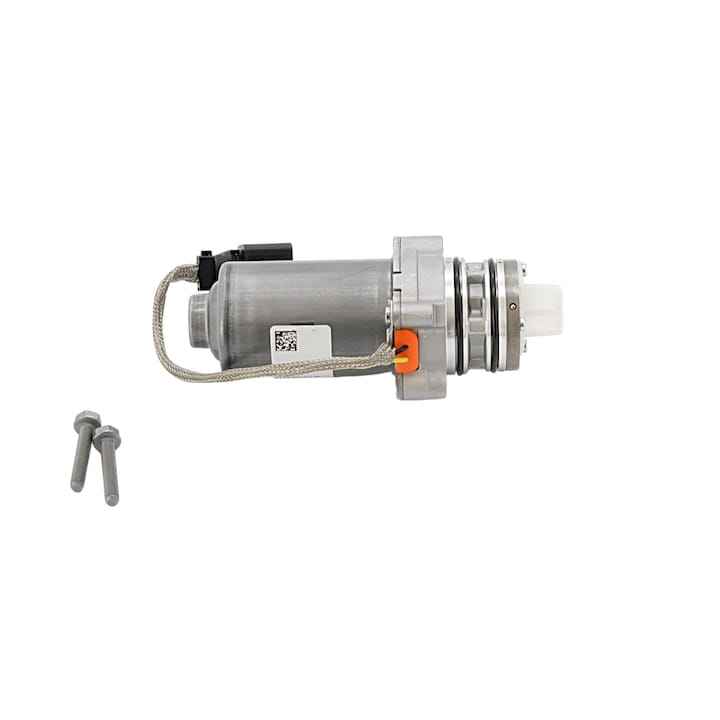
Controller swaps are the most involved route and rarely the right first step. They make sense when a Gen 3 or Gen 4 owner wants access to the Gen 5 software ecosystem and the car’s wiring harness can accommodate the change. Budget for specialist time and expect a full adaptation session.
Critical maintenance to complete before any Haldex tune
Tuning a Haldex unit with dirty fluid, a blocked inlet screen, or a worn filter is like remapping an engine with a clogged air filter. The gains are real but partial, and you risk accelerating wear on a pump that was already struggling.
Forum reports consistently show that clogged pump screens and unchanged filters are a primary cause of premature pump failure. The service work is not optional groundwork — it is the upgrade.
Service checklist before any tune or spring install:
- Change the Haldex fluid (OEM-spec or high-performance Haldex oil for track use)
- Replace the filter (Gen 4 example: BorgWarner filter + oil kit 4th generation, part 111358 OEM)
- Clean the pump inlet screen thoroughly
- Check and torque driveshaft bolts to spec
- Inspect wiring harness and connector condition at the pump
- Log any existing fault codes via VCDS before clearing
For Gen 5 cars, the 0CQ598305 seal repair kit covers pump seals alongside a fluid and filter change, making it a sensible combined service for higher-mileage units. Full service kits on Haldexparts are listed by generation and brand, so you can confirm fitment before ordering.
Pro Tip: Complete the service, drive the car for at least 50 miles, then run a fresh VCDS log before booking a tune. This gives your tuner a clean baseline and confirms the pump is behaving correctly under normal load. Any anomaly that surfaces in that window is far cheaper to address before the tune than after.
Pairing your Haldex service with general car maintenance best practices — particularly checking cooling and drivetrain condition before adding power — is worth doing at the same time if the car is heading to a tuner.
How to check pump health before you spend anything
Haldex pumps can fail silently. There is no dashboard warning for reduced rear torque on a gradual decline, and many owners only notice the problem when the car understeers on a wet roundabout. A structured diagnostic routine catches this before it becomes expensive.
Step-by-step diagnostic routine:
- Connect VCDS or OBDeleven and run a full fault code scan on the Haldex control module. Note any stored codes, even intermittent ones.
- Navigate to the Haldex module and run the pump activation output test. The pump should spin up smoothly and reach target pressure within a few seconds. Sluggish response or failure to reach pressure is a red flag.
- Log live data: pump RPM, requested duty cycle, actual duty cycle, and oil temperature. A healthy pump tracks requested duty closely. A significant gap between requested and actual duty suggests wear or a blocked screen.
- Check the fault diagnosis guide for generation-specific fault codes and their likely causes.
- Road test with logging active: accelerate from a standstill and through a series of corners. Rear torque should be visible in the data during acceleration. Flat or near-zero rear torque delivery during a hard pull is a clear sign the pump is not performing.
Symptom checklist — what to watch for:
- Understeer that has worsened gradually, especially on wet or loose surfaces
- Reduced traction on inclines or during hard launches
- Unusual whining or grinding from the rear differential area
- Intermittent AWD warning lights or fault codes that clear themselves
- Pump that runs but does not build pressure in the output test
Decision rule: If the pump passes the output test and logs show normal duty tracking, proceed with a service and software tune. If the pump fails the output test or logs show a consistent duty gap, clean the inlet screen first and retest. A pump that still fails after cleaning needs assessment for repair or replacement. Book a specialist if you are seeing wiring faults or if the module itself is throwing communication errors.
What does installation actually cost and how long does it take?
Realistic expectations matter here. Labour costs in the UK vary by region and workshop, but the ranges below reflect typical independent specialist pricing rather than main dealer rates.
Service (fluid, filter, screen clean): A competent DIY job on Gen 4 and Gen 5 cars takes 1–2 hours with basic tools. At a specialist, expect £80–£150 labour. Parts from Haldexparts run £40–£90 depending on generation and kit specification.
Spring upgrade (Gen 5): The spring itself is straightforward to fit if you have the pump out. The mandatory step is the software adaptation afterwards. TuneZilla’s install notes specify that the adaptation must be run via VCDS or OBD11 with the Haldex fluid at 20–30°C. Skip that step and the pump parks incorrectly, leading to wrong pressure setpoints. Budget 2–3 hours at a specialist including the adaptation.
Pump replacement: Gen 4 and Gen 5 pump swaps are moderately involved but accessible to experienced DIYers. Gen 3 is a different story. Access on Gen 3 units often requires lowering the rear differential by loosening subframe bolts to create clearance for the pump connector and housing. A specialist familiar with Gen 3 architecture will typically lower the diff a few millimetres while leaving threads engaged on the subframe bolts, preserving alignment while gaining the access needed. Budget 3–5 hours labour for Gen 3 at a specialist, 2–3 hours for Gen 4/5. Post-install adaptation is mandatory on all generations.
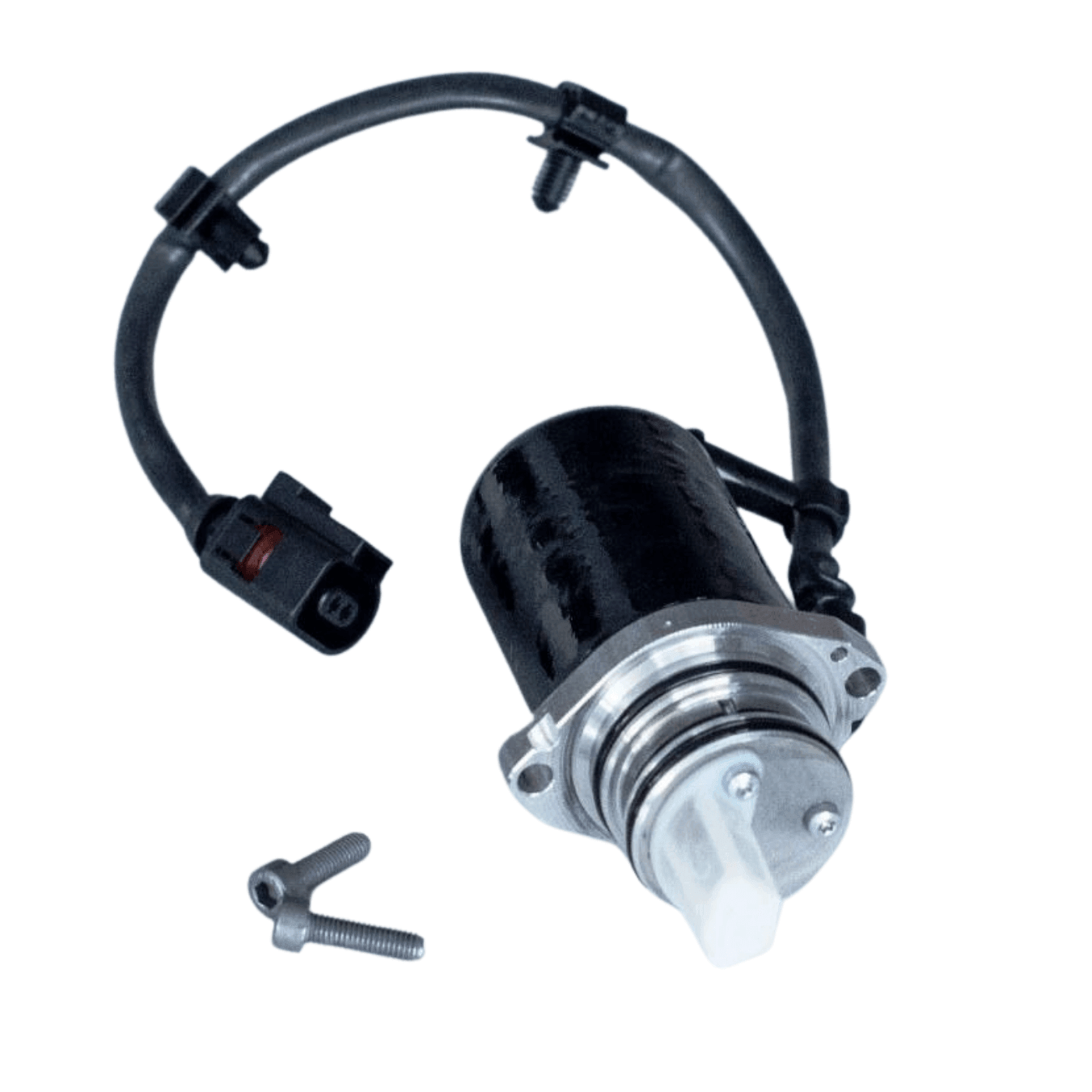
Software tune: Typically 1–2 hours at a specialist with VCDS or a dedicated flash tool. No physical disassembly required. This is the most time-efficient upgrade by a significant margin.
DIY trade-offs: The service and spring fit are realistic DIY tasks for someone with a lift or axle stands, basic tools, and VCDS access. The software tune and post-install adaptation require the diagnostic tool and, ideally, familiarity with the Haldex module’s adaptation channels. If you are new to VCDS adaptation procedures, a single session with a specialist is worth the cost to avoid incorrect motor parking positions.
Recommended UK parts and a practical upgrade roadmap
Parts to source for common Gen 3–Gen 5 builds:
- Gen 5 pump (0CQ598549A): Available from Haldexparts as the 5th generation Haldex pump for MQB platform cars including Golf R Mk7/7.5, Audi 8V S3, Seat Leon Cupra, and Škoda Octavia vRS 4x4.
- Gen 5 seal/repair kit (0CQ598305): — For pump refurbishment rather than full replacement.
- Gen 4 filter + oil kit: — BorgWarner OEM kit (part 111358) with 850ml oil, listed on Haldexparts.
- Gen 5 software tune: — Road Rage Performance Haldex.Flash via UK installers including CG Remaps (module ref 0CQ 907 554 X).
- Spring upgrade (Gen 5): — Available from specialist suppliers; always pair with a software tune and plan for the adaptation step.
Upgrade roadmap by use case:
- Street/daily with occasional track days: Service kit first (fluid, filter, screen) → software tune → done. The controller tuning guide on Haldexparts walks through what a duty-table tune changes and what to expect.
- High-power track build (300+ bhp at the wheels): Service → diagnostics → pump replacement if wear is present → software tune → spring → ECU/TCU matching. At this power level, performance build sequencing matters: baseline logs, tyre compound, and cooling should be addressed before raising AWD torque delivery.
What to tell your workshop: Give them the generation (Gen 3/4/5), the part numbers you have sourced, and confirm they have VCDS or OBD11 with the Haldex adaptation channels unlocked. Specify the 20–30°C fluid temperature window for the adaptation. A workshop that has not done a Haldex adaptation before will benefit from seeing the TuneZilla install notes in advance.
Reliability, warranty, and insurance when modifying Haldex behaviour
A software tune raises the pump’s duty cycle, which means more hydraulic work per mile. On a freshly serviced unit with clean fluid and a new filter, that is manageable. On a unit with degraded fluid or a partially blocked screen, the increased duty accelerates wear. The service-first rule is not just about performance — it is about not destroying a pump you have just paid to tune.
Reliability trade-offs to understand:
- Higher duty settings increase clutch pack heat and wear rate, particularly during repeated hard launches or track sessions
- Spring upgrades raise baseline pre-load, which adds a small constant load to the pump even in normal driving
- Both are manageable with correct fluid specification and regular service intervals (every 30,000–40,000 miles or annually for track use)
Warranty and insurance considerations: Fitting an aftermarket spring or software tune will typically void any remaining manufacturer warranty on the Haldex unit and potentially the drivetrain. For cars still under warranty, weigh that cost carefully. On the insurance side, any modification that affects AWD behaviour is a material change and must be declared to your insurer. Failure to declare can invalidate a claim. Some specialist insurers treat Haldex tunes as a minor modification; others treat them as a drivetrain change. Get it in writing before you tune.
Risk mitigation steps:
- Use OEM-spec or OEM-grade parts from an authorised supplier such as Haldexparts rather than unbranded alternatives
- Log the car before and after any change so you have a documented baseline
- Start software tunes on conservative settings and increase duty incrementally
- Keep a service record with dates, mileage, part numbers, and the workshop that carried out the work
- Inform your insurer in writing and keep the response on file
Key takeaways
Software control tuning combined with a proper service kit is the most cost-effective Haldex upgrade for UK sports car owners, with hardware replacement reserved for failed pumps or high-power builds.
| Point | Details |
|---|---|
| Service before tuning | Clean the inlet screen, replace the filter, and change the fluid before any tune or spring install to protect the pump and maximise gains. |
| Software tune first | A duty-table tune via Haldex.Flash or equivalent delivers measurable traction and launch improvements on Gen 5 cars without hardware changes. |
| Adaptation is mandatory | After any spring or pump install, run the Haldex adaptation via VCDS or OBD11 with fluid at 20–30°C to set correct pressure setpoints. |
| Hardware only when needed | Replace the pump (0CQ598549A for Gen 5) only when diagnostics confirm failure or power levels exceed what the stock unit can sustain. |
| Haldexparts for UK sourcing | Haldexparts stocks OEM-grade service kits, pumps, and filters for Gen 3–Gen 5 with free shipping on orders over £150 and fitment listed by generation. |
What actually works in real street and track cars
The conventional wisdom in tuning circles is that hardware upgrades are where the real gains live. In practice, with Haldex systems, that is rarely true unless the pump is already compromised.
The pattern that produces repeatable results is consistent: a fresh service followed by a software tune gives a car that hooks up noticeably better on wet roads, pulls straighter under hard acceleration, and feels more planted through fast corners. Those are not marginal improvements. On a Gen 5 Golf R or Audi S3, the difference between stock Haldex behaviour and a tuned duty table is something you feel immediately on a damp B-road.
Hardware swaps are a different story. A pump replacement on a car with a healthy unit rarely produces a noticeable change in behaviour. The gains people attribute to a new pump are usually the gains from the service work done at the same time. Where pump replacement genuinely matters is on high-mileage units with documented wear, or on builds pushing well beyond 300 bhp where the stock pump’s pressure ceiling becomes a real constraint.
The one area where I see people consistently underestimate the supporting work is tyres and differential condition. A Haldex tune can send more torque rearward, but if the rear tyres are worn or mismatched, or the rear diff is tired, the tune amplifies the problem rather than solving it. Sort the tyres and check the diff before you book the tune. The performance build sequencing logic applies here just as much as it does to engine work.
Haldexparts: OEM-grade kits and pumps for UK sports car owners
If you have worked through the diagnostic and service steps above, the next practical move is straightforward: order the right service kit for your generation and get the car booked with a tuner who can run the adaptation.
Haldexparts stocks the full range of OEM-grade Haldex service kits, including fluid, filters, and seals for Gen 3 through Gen 5 across Audi, VW, Seat, Škoda, Volvo, Ford, Opel, Vauxhall, and Land Rover platforms. The 0CQ598549A Gen 5 pump is listed with full fitment notes for MQB cars. Orders over £150 qualify for free UK shipping, and parts are listed by brand and generation so you can confirm compatibility before checkout.
The recommended sequence: buy the service kit first, complete the service, run your VCDS diagnostics, then book a tuner for the software adaptation. If diagnostics show pump wear, add the replacement pump to the same order. Everything you need is at haldexparts.co.uk.
Useful sources and further reading
- T5.1 4motion haldex pump replacement | VW T6 Transporter Forum
- DIY haldex pump repair discussion | Audi‑Sport forum
- VAG Haldex tuning — Road Rage Performance
- HALDEX GEN 5 TUNING VIA RRP. - CG Remaps
- TuneZilla Gen 5 Haldex Tune - store listing
- Haldex spring upgrade install notes (TuneZilla PDF)
- Gen 3 Haldex service tips and tricks | SwedeSpeed forum
- EA888 performance guide (Drivurs)
- Service kits for Haldex | HaldexParts.co.uk