
Yes, water in a Haldex air or AWD system can escalate to safety-critical failure fast, especially once it reaches valves, solenoids or the pump. If braking feels compromised or you notice judder alongside warning lights, stop driving and check for milky fluid. Drain the wet tank, sample the oil, and book a workshop inspection immediately if the vehicle has been exposed to flood water.
TL;DR:
- Water can rapidly cause safety issues in Haldex systems once it reaches valves, solenoids, or the pump, leading to faults and failure.
- Condensation, failed seals, flooding, and high-pressure washing are common sources of water ingress, often resulting in emulsified oil and electrical damage.
- Early contamination signs include judder, milky or sludge-like oil, corroded connectors, and erratic valve response, which require prompt inspection and testing.
- Installing pre-separators, maintaining drainage, replacing desiccant, and checking breathers significantly reduce moisture and prevent contamination.
- Severe flood damage generally necessitates professional inspection and component replacement, as repair cannot reliably restore internal electronics or seals.
Table of Contents
- How does water get into Haldex air-brake and AWD systems?
- What are the symptoms of water contamination?
- How do you test for Haldex water contamination?
- Can prevention systems stop water getting into the system?
- How do you fix Haldex water contamination once it’s happened?
- Which Haldex parts actually fix contamination damage?
- Repair or replace: what actually decides it?
- Get the right parts before contamination spreads further
- Sources
- FAQ
How does water get into Haldex air-brake and AWD systems?
Water rarely arrives all at once. It builds up through everyday operation until a system that has coped fine for years suddenly starts throwing faults.
In compressed-air brake systems, the main culprit is condensation. Air compressors pull in atmospheric moisture constantly, and that moisture condenses inside the tank as the air cools. Failed breathers, perished seals and worn valve seats let more in, and underbody flooding, a deep puddle, a flooded road, a jet wash aimed at the wrong angle, can push water straight past venting points that were never designed to be submerged.
AWD systems face a different problem. Water doesn’t just sit in a tank; it mixes into the Haldex oil and emulsifies, turning a clean amber fluid into something that looks like a milky coffee. That emulsion strips away the oil’s lubricating properties long before it looks obviously wrong.
- Compressor condensation building up during normal duty cycles
- Failed breathers or seals letting moisture past
- Underbody flooding or high-pressure washing forcing water into vents
- Ingress through worn pump or valve seals over time
Valves, solenoids, pumps and control units suffer most because they combine tight tolerances with exposed electrical contacts. Water doesn’t need to pool visibly to cause damage; a thin film across a solenoid coil or a connector pin is often enough to trigger intermittent faults that are maddening to trace.
What are the symptoms of water contamination?
Catching Haldex water contamination early usually comes down to spotting a handful of specific warning signs rather than waiting for a total failure.
- Driving symptoms – judder under acceleration, clutch slip on AWD-equipped models, sudden dashboard warnings, or braking that feels inconsistent between wheels.
- Fluid signs – oil that looks milky or cloudy rather than clear amber, black sludge on the dipstick or drain plug, and visible metal flakes suggesting internal wear has already started.
- Electrical and mechanical signs – corroded connector pins, solenoids that stick or buzz instead of switching cleanly, and a pump that whines, knocks or runs noticeably louder than usual.
Any one of these on its own might be coincidence. Two or more together, particularly judder plus a milky dipstick, is a strong enough pattern to treat as confirmed contamination until proven otherwise. The oil symptoms most owners miss are worth checking against your own fluid before assuming the worst.
How do you test for Haldex water contamination?
Confirming contamination doesn’t require a full workshop, though some steps do need care and, in a few cases, professional equipment.
- Park on level ground and let the system settle for at least 30 minutes before opening anything.
- Drain the wet tank on air-brake systems and check what comes out; clear air with a light mist is normal, a steady stream of water is not.
- Pull the desiccant cartridge, if fitted, and inspect it for saturation or discolouration.
- Sample the Haldex oil and check for the classic milky emulsion or separated layers sitting in the sample jar.
- Run a moisture indicator strip or a simple dip test if you have one; forums and long-time owners consistently point to draining the wet tank and inspecting desiccant as the first practical check before anything more involved.
- Where equipment allows, run a leak-down or pressure check, and watch live diagnostics for erratic wheel-slip readings or slow valve response.
Pro Tip: Keep the oil sample in a clear glass jar rather than a dark container. Emulsified Haldex oil can look deceptively normal under workshop lighting but shows its milky separation clearly once it sits still for ten minutes in daylight.
Escalate to workshop-level diagnostics the moment you see metal flakes in the sample, corrosion on a control unit connector, or any sign the vehicle has been through standing water above axle height. At that point, guesswork does more harm than good.
Can prevention systems stop water getting into the system?
Prevention beats repair every time, and for compressed-air systems that means treating the air before it ever reaches the reservoir.
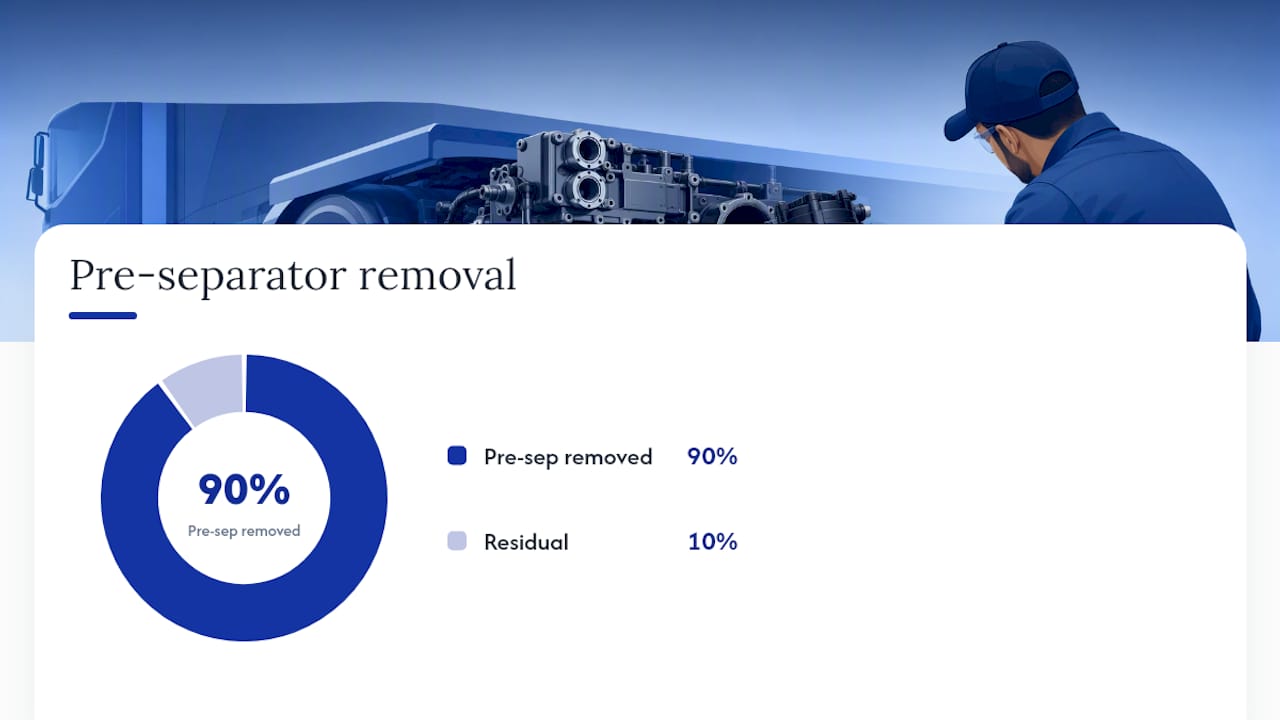
A pre-separator sits ahead of the main air dryer and strips out bulk moisture before it can saturate the desiccant. Haldex’s own Consep® pre-separator removes roughly 90% of free liquids and contaminants from compressed air before it reaches the drying stage, which dramatically extends desiccant life and cuts the frequency of downstream failures. The newer ApolloSDx system builds on that idea with a three-step approach, pre-separator, multi-stage desiccant cartridge, then air dryer, specifically to reduce moisture and particulates before air ever reaches the valves.
Why it matters: removing 90% of free liquids at the pre-separator stage means the desiccant only has to handle the residual moisture, not the full load, which is why fitting one is often the single most cost-effective fix for repeat contamination problems.
Practical maintenance that supports this:
- Drain wet tanks on a fixed schedule rather than waiting for symptoms
- Replace desiccant cartridges at the manufacturer’s interval, not just when they look wet
- Retrofit a pre-separator to older vehicles that never had one fitted
- Check breathers, vent routing and connector corrosion protection during routine services
Fleets running high daily mileages see the clearest payoff, since reducing moisture before it reaches reservoirs and valves cuts both freeze-ups and unplanned downtime.
How do you fix Haldex water contamination once it’s happened?
Remediation follows a fairly strict order, and skipping steps tends to mean doing the job twice.
Start by draining and flushing the wet tank completely, then replace the desiccant cartridge rather than trying to dry it out. Drain the contaminated Haldex oil and replace both the oil and the filter together; running new oil through a dirty filter defeats the point. Clean or replace any corroded electrical connectors before reassembly, since corrosion left in place will keep causing intermittent faults even after the fluid itself is clean.
- Drain and flush the wet tank
- Replace the desiccant cartridge
- Replace contaminated Haldex oil and the filter as a pair
- Clean or replace corroded connectors
- Inspect pump, solenoids and control unit for water ingress before refitting anything
Pumps, solenoids and control units cross a line once water has actually reached their internals rather than just their housings. Technical bulletins are explicit here: severe contamination compromises seal materials and internal electronics in ways that repair simply cannot reverse reliably. Availability of remanufactured units has improved too, with Haldex having expanded its remanufactured water pump lineup to cover more SKUs, which makes replacement a realistic option rather than a parts-hunting nightmare.
Flood exposure is the clearest safety-first case. Service bulletin SB-08-094 sets out that vehicles exposed to flood water need professional inspection, and that brake and suspension components in that condition typically require replacement rather than repair. Follow that bulletin’s criteria rather than a workshop’s optimism about what might still be salvageable. Anyone tackling the solenoid side of the job should work through the solenoid valve replacement guide before ordering parts, since fitment varies more than most owners expect across Haldex generations.
Which Haldex parts actually fix contamination damage?
Once you know what’s contaminated, matching the right part to the right generation matters more than most owners realise. Haldexparts.co.uk stocks pumps, oils, filters and complete service kits organised by brand and Haldex generation, which avoids the guesswork of cross-referencing part numbers by hand.
- Pumps: generation-specific units, including nose replacement components for early designs
- Oils: correct-spec fluid to avoid re-introducing the wrong viscosity or additive package
- Filters: paired with oil changes rather than sold as a standalone fix
- Service kits: bundled pump, oil and filter combinations for a single contamination event
Reading your existing part number against the vehicle’s build date is the fastest way to confirm which generation you’re dealing with before ordering. The site’s guide to Haldex failure causes is a useful cross-check if you’re unsure whether contamination or wear is the primary issue.
Repair or replace: what actually decides it?
Minor contamination with clean desiccant and no metal in the oil is often a fair DIY job. Flood exposure, ECU corrosion or a failed solenoid isn’t; that’s workshop territory, full stop. Weigh downtime against safety, but never against the cost of a brake system that fails at the wrong moment.
— Mindaugas
Get the right parts before contamination spreads further
There are DIY fixes for early-stage contamination, and there’s a point where guessing at part numbers costs you more in wasted parts than it saves in labour. Specialists in Haldex pumps, oils, filters and service kits selected by brand and generation, so you order the exact part your vehicle needs rather than a close-enough substitute.
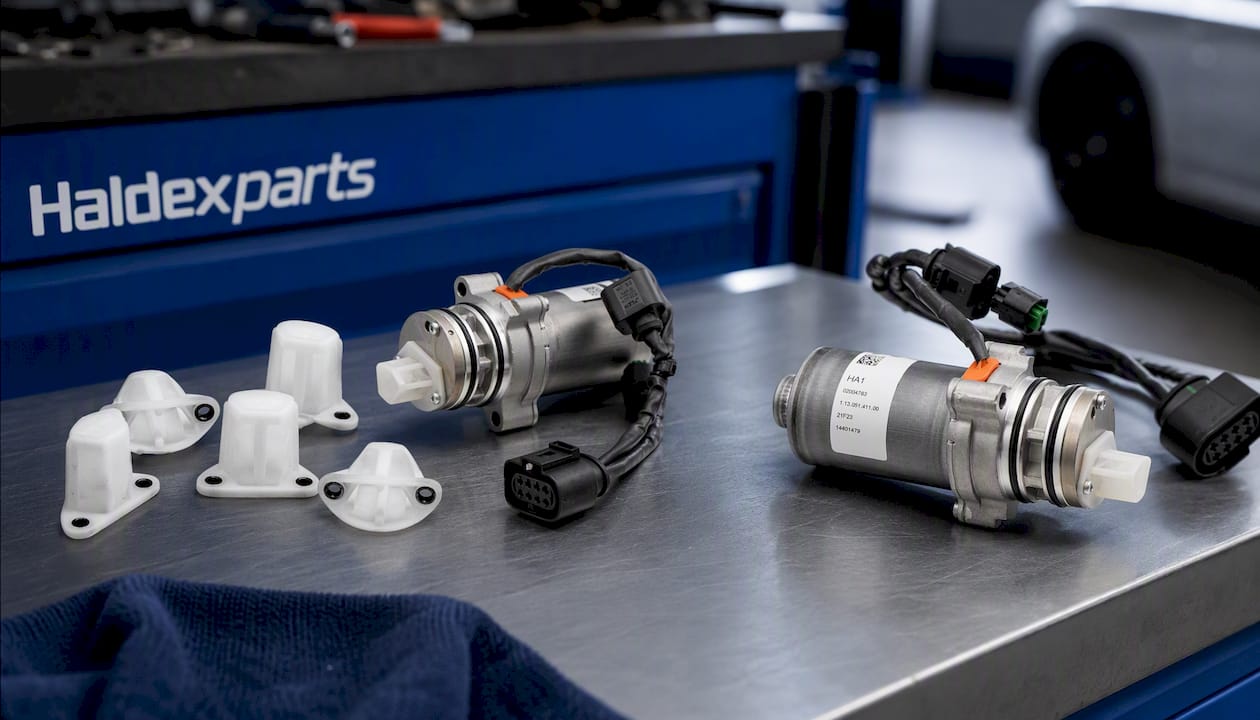
If you’re dealing with early pump wear from contamination, the AWD pump nose replacement tips cover first and second-generation Haldex pumps specifically. Generation-5 owners running an Audi R8 need the 0D4906271A oil pump, while Porsche generation-5 applications use the 9P1906271 oil pump instead, since the two aren’t interchangeable despite sharing a generation. For everything else, from filters to complete service kits, browse the full parts range by vehicle and generation. Orders over a certain amount may qualify for free shipping, and every product page lists the specifications you need to confirm fitment before you buy.
Sources
Cross-reference your findings against the documents these come from before committing to a repair path.
- Air treatment — Haldex Consep®
- SERVICE BULLETIN NO. SB-08-094
- Haldex launches ApolloSDx air treatment system — TT News
Beyond manufacturer paperwork, a quick check of general vehicle care habits helps too. Reducing standing water contact around underbody components, including simple steps like removing water spots safely after wading through wet conditions, limits how often moisture gets near vents and breathers in the first place.
FAQ
Is it safe to drive with water in the Haldex system?
Not if braking performance is affected or you notice judder alongside warning lights; stop and inspect the wet tank and fluid before continuing.
What does contaminated Haldex oil look like?
It turns milky or cloudy instead of clear amber, often with black sludge or metal flakes visible in a fluid sample.
How much moisture can a pre-separator remove?
Haldex’s Consep® pre-separator removes roughly 90% of free liquids and contaminants from compressed air before the drying stage.
When does flood exposure mean full replacement, not repair?
Service bulletin SB-08-094 states that severe flood damage requires professional inspection and typically calls for replacing affected brake and suspension components rather than repairing them.
Where can I buy the correct Haldex pump for my generation?
Pumps are listed by brand and Haldex generation, including generation-5 units for Audi R8 and Porsche applications, so you can match the exact part to your vehicle.