
A Haldex controller upgrade is a modification to your vehicle’s all-wheel-drive system that improves how torque is distributed to the rear wheels by increasing clutch pressure and refining the control logic that governs engagement. The upgrade applies to Gen 5 Haldex systems found in vehicles such as the Volkswagen Golf R, Audi S3, and Skoda Octavia vRS, where software algorithms now handle most of the clutch engagement work. Whether you choose a software recalibration or an inline hardware controller, the result is the same: faster, stronger AWD engagement when you need it most. If you have ever felt your car hesitate before power reaches the rear axle, a Haldex controller upgrade is the direct fix.
What is a Haldex controller upgrade and what types are available?
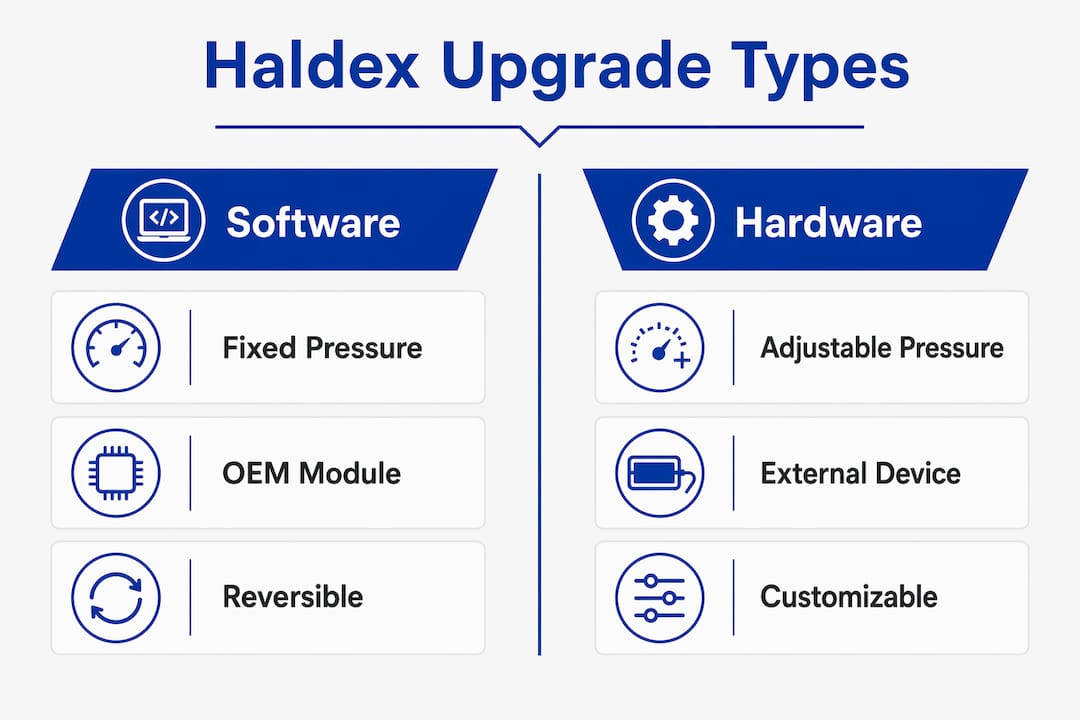
A Haldex controller upgrade falls into two broad categories: software recalibration and aftermarket hardware controllers. Each approach targets the same goal, but through different means.
Software recalibration
Software upgrades work by reflashing the factory Haldex control module with revised maps. APR offers two tiers for Gen 5 systems. APR Stage 1 raises clutch pressure by approximately 7–8 Bar over factory settings, which sharpens AWD engagement during launches without any hardware changes. Stage 2 goes further, adding a physical pressure relief valve upgrade alongside the software to handle the higher clamping forces safely. The key advantage of software upgrades is that they retain full factory integration, meaning your stability control and ABS systems continue to function as designed.
Software upgrades retain factory safety features while delivering measurable performance gains. That balance makes them the most popular entry point for road car owners who also track their vehicles.
Aftermarket hardware controllers
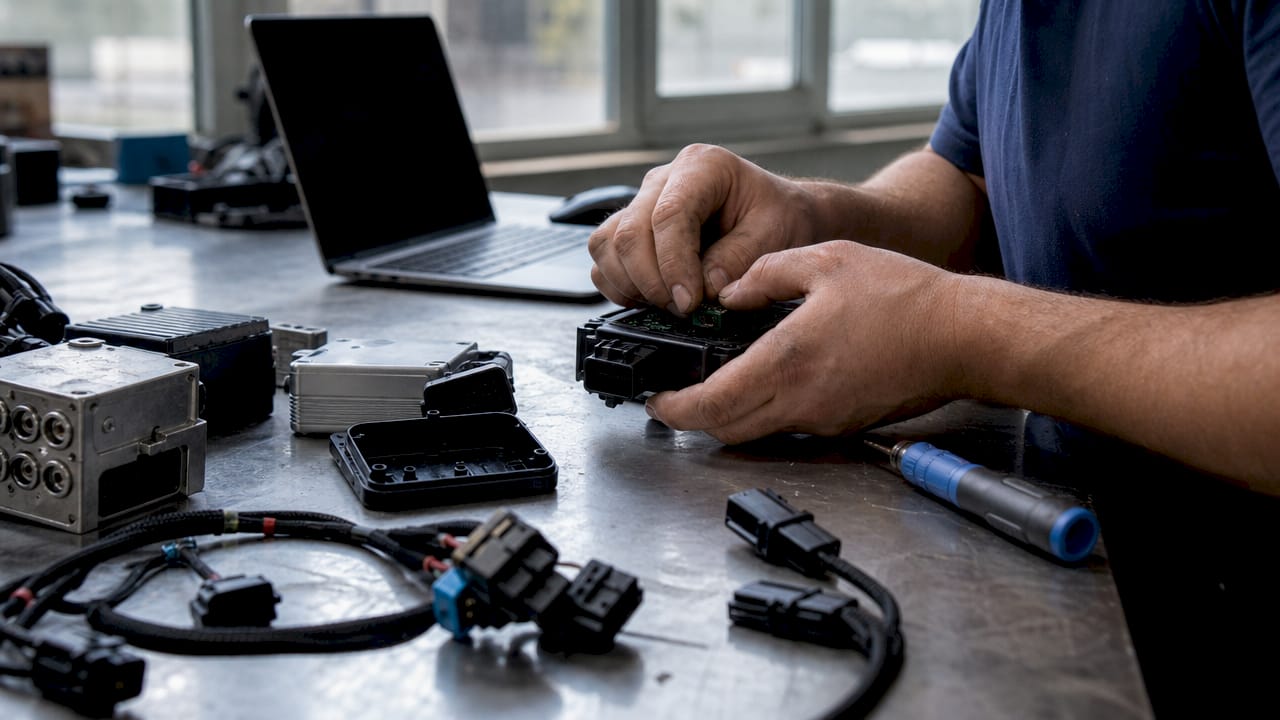
Hardware controllers such as OpenHaldex take a different approach. Rather than flashing the OEM module, these devices intercept CAN bus signals inline, sitting between the factory harness and the Haldex unit. This gives you real-time map editing and live torque distribution data through a connected app or interface. The installation is reversible, which appeals to owners who want to return the car to stock for warranty or resale purposes.
Pro Tip: If you plan to use the car daily and want the simplest upgrade path, a Stage 1 software recalibration is the lowest-risk option. If you want live map control and full reversibility, an inline hardware controller is worth the extra installation effort.
The table below compares the two approaches at a glance.
| Feature | Software recalibration | Hardware controller |
|---|---|---|
| Clutch pressure increase | Yes, fixed map | Yes, adjustable in real time |
| Factory safety integration | Fully retained | Partially retained |
| Reversibility | Requires reflash | Unplug and remove |
| Hardware changes needed | Stage 2 only | Inline harness adapter |
| Typical use case | Road and track | Track and competition |
How does a Haldex controller upgrade improve AWD performance?
Gen 5 Haldex uses electric pump motor speed modulation rather than mechanical accumulators to control clutch engagement. That design makes software the primary lever for performance. Raising the clutch pressure directly increases the clamping force on the multi-plate clutch pack, which transfers more torque to the rear wheels faster.
The practical benefits are clear and measurable:
- Launch grip. Increased clutch pressure improves launch grip and throttle response, producing stronger, more consistent starts from rest.
- Mid-corner traction. Higher clamping force keeps the rear axle loaded through corners, reducing understeer and improving balance.
- Throttle response. Revised software maps reduce the delay between throttle input and rear torque delivery, making the car feel more alert.
- Adaptive control. Some upgrade maps modulate clutch pressure situationally, applying maximum clamping during launches and reducing it at cruise to limit drivetrain strain.
- Driver confidence. Consistent AWD engagement means fewer surprises on wet or uneven surfaces.
The last point matters more than most enthusiasts expect. A factory Haldex system is calibrated conservatively to protect components across a wide range of drivers and conditions. An upgraded controller recalibrates that conservatism for drivers who understand their car and maintain it properly.
Installation considerations and vehicle compatibility
A Haldex controller upgrade is not a universal fit. Compatibility depends on which generation of Haldex your vehicle uses. Gen 5 systems are found in post-2013 VAG group vehicles including the Golf R Mk7 and Mk8, Audi TT quattro, and Seat Leon Cupra. Earlier generations use different hardware and require generation-specific parts.
The installation process varies by upgrade type:
- Confirm your Haldex generation. Check your vehicle’s build date and model code. Gen 5 uses an electric pump with no mechanical accumulator.
- Choose your upgrade path. Software recalibration requires a dealer or specialist with the correct flashing equipment. Hardware controllers require basic wiring competence and access to the Haldex unit under the rear of the vehicle.
- Assess supporting hardware. Stage 2 requires an upgraded pressure relief valve to handle the increased clutch pressures safely. Skipping this step risks hydraulic failure under hard use.
- Check ECU integration. Software upgrades communicate directly with the factory ECU. Hardware controllers intercept signals without modifying firmware, which preserves factory fault code behaviour.
- Plan for professional installation. Software flashing requires specialist equipment. Hardware controller fitting is within reach of a competent DIY mechanic, but incorrect wiring can trigger fault codes or disable AWD entirely.
Pro Tip: Always read the fault codes before and after installation. A pre-existing Haldex fault will not be fixed by an upgrade and may cause the new controller to behave unpredictably.
Risks from improper installation include erratic clutch engagement, AWD system faults, and in worst cases, pump damage from incorrect pressure settings. Working with a specialist who has experience with your specific vehicle generation removes most of that risk. You can find detailed guidance on risks and system behaviour in this Haldex controller tuning guide.
Maintenance and servicing after a Haldex controller upgrade
Upgrading your Haldex controller increases the demands placed on the entire hydraulic system. The clutch pack, pump, and fluid all work harder under higher pressures. That means your maintenance schedule must change.
Performance upgrades require servicing every 20,000 miles for hard use, compared to the longer factory intervals. Skipping services on a tuned system accelerates wear and risks pump clogging.
Key maintenance priorities for upgraded systems:
- Fluid condition. Haldex fluid degrades faster under higher pressures and temperatures. Contaminated fluid causes erratic clutch engagement and accelerates wear on the pump and clutch pack.
- Filter replacement. The pump intake filter collects metallic particles from clutch wear. On a tuned system, filter blockages restrict fluid flow and can starve the pump under hard use.
- Pump inspection. Improper maintenance combined with aggressive tunes increases the risk of pump failure. Monitoring pump intake screens at each service catches early wear before it becomes a costly repair.
- Correct fluid specification. Using the wrong oil viscosity undermines the pressure gains from your upgrade. Always match the fluid to your Haldex generation and upgrade specification.
| Service item | Standard interval | Performance-tuned interval |
|---|---|---|
| Haldex fluid | 40,000 miles | 20,000 miles |
| Filter | With fluid change | With every fluid change |
| Pump inspection | As needed | Every service |
| Pressure relief valve | Not applicable | Check at each service |
Understanding why Haldex parts degrade under performance conditions helps you plan your service schedule before problems appear rather than after.
Key takeaways
A Haldex controller upgrade delivers real AWD performance gains only when paired with a disciplined maintenance schedule and correctly matched hardware.
| Point | Details |
|---|---|
| Two upgrade paths exist | Software recalibration and hardware controllers each suit different use cases and budgets. |
| Gen 5 is software-driven | Electric pump modulation makes software tuning the primary performance lever on post-2013 VAG vehicles. |
| Stage 2 needs hardware support | An upgraded pressure relief valve is required to safely handle the higher clutch pressures from Stage 2 software. |
| Service intervals must shorten | Performance-tuned systems need Haldex fluid and filter changes every 20,000 miles under hard use. |
| Maintenance protects the investment | Fluid contamination and blocked filters are the leading causes of pump failure on upgraded systems. |
My honest assessment of Haldex controller upgrades
I have seen a lot of enthusiasts treat a Haldex controller upgrade as a set-and-forget modification. They flash the software, enjoy the sharper launches for a few months, and then neglect the fluid until the pump starts complaining. That is the single most common mistake in this space, and it is entirely avoidable.
The upgrade itself is well-engineered. APR’s Stage 1 software, for example, delivers a genuine improvement in AWD engagement without touching the hardware. The car feels more planted on exit and more committed on turn-in. For a road car that sees occasional track days, that is a meaningful change. The problem is that the improvement comes at a cost to the hydraulic system, and most owners do not adjust their maintenance habits to match.
My recommendation depends on your driving style. If you drive hard regularly, go straight to Stage 2 with the pressure relief valve and commit to 20,000-mile service intervals. If you want a subtle improvement for road use, Stage 1 software with annual fluid and filter changes is entirely sufficient. What I would caution against is choosing Stage 2 software without the valve upgrade. The higher pressures without the supporting hardware is a false economy that leads to expensive repairs.
The other thing worth saying is that upgrading the Haldex pump alongside the controller is not always necessary, but on high-mileage vehicles it is worth considering. A worn pump cannot sustain the pressures a tuned controller demands. Pairing a fresh pump with a controller upgrade gives you a clean baseline and protects the investment you have made in the software.
— Mindaugas
Haldexparts: parts and kits for upgraded AWD systems
If you have decided to upgrade your Haldex controller, the supporting service parts are just as important as the controller itself. Haldexparts stocks OEM-grade Haldex service kits covering Gen 5 and earlier generations, including the filters, oils, and pump components your tuned system needs to stay reliable.
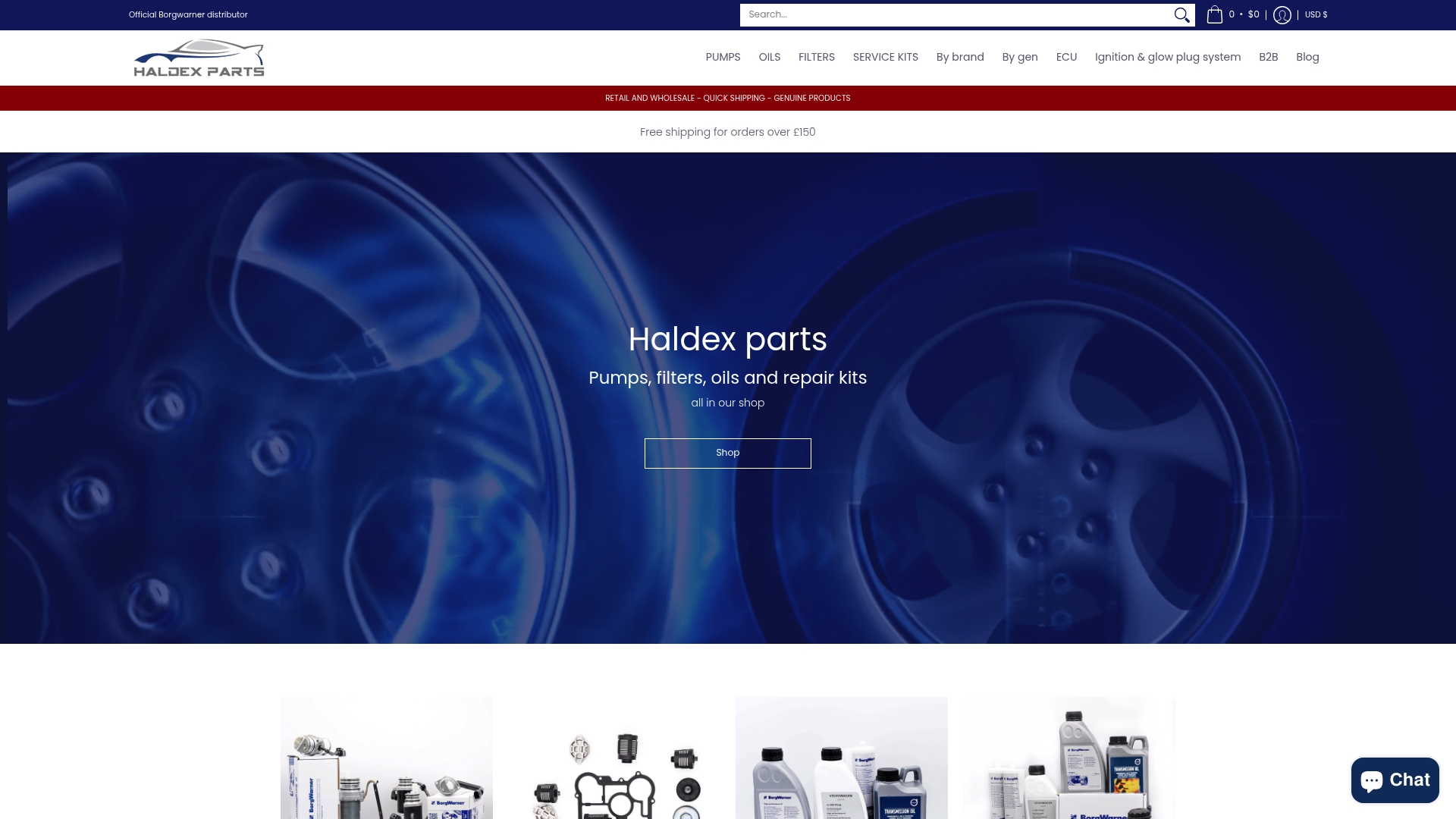
Haldexparts carries specialist Haldex oils matched to specific vehicle generations, along with high-flow filters designed to handle the demands of performance-tuned systems. Orders over £150 qualify for free shipping, and the product listings include vehicle-specific fitment information so you can confirm compatibility before you buy. Whether you are servicing a Golf R, an Audi S3, or a Skoda Octavia vRS, Haldexparts gives you the parts to back up your controller upgrade with proper maintenance.
FAQ
What does a Haldex controller upgrade actually do?
A Haldex controller upgrade increases clutch clamping pressure and refines the torque distribution logic in your AWD system. The result is faster, stronger engagement during acceleration and improved traction under hard driving.
Is a Haldex controller upgrade reversible?
Software recalibrations can be reversed by reflashing the OEM module. Hardware controllers such as OpenHaldex are fully reversible by unplugging the inline device and reconnecting the factory harness.
Which vehicles are compatible with Gen 5 Haldex upgrades?
Gen 5 Haldex systems are found in post-2013 VAG group vehicles including the Volkswagen Golf R Mk7 and Mk8, Audi S3, Audi TT quattro, and Seat Leon Cupra. Always confirm your build date and model code before purchasing an upgrade.
How often should I service my Haldex after a controller upgrade?
Performance-tuned Haldex systems should have fluid and filter changes every 20,000 miles under hard use. Standard factory intervals are not sufficient once clutch pressures have been raised.
Do I need extra hardware for a Stage 2 software upgrade?
Yes. Stage 2 software requires an upgraded pressure relief valve to safely handle the higher clutch pressures it commands. Running Stage 2 software without the valve upgrade risks hydraulic failure under sustained hard use.